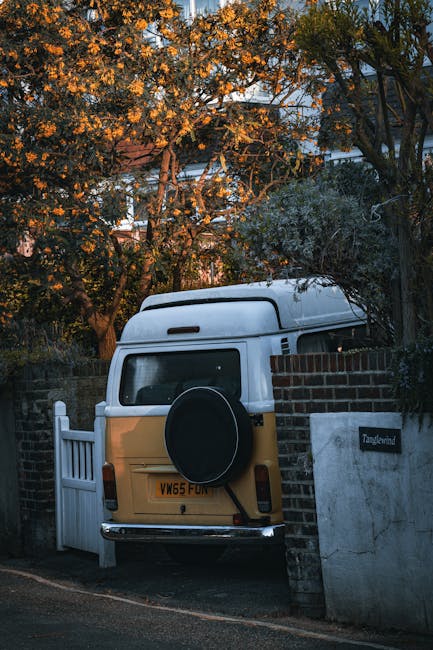
Wennington Road Moves: Rainham van access tips
Posted on 07/05/2026
Wennington Road Moves: Rainham Van Access Tips That Make Moving Day Easier
Moving around Wennington Road in Rainham can feel straightforward on paper, then suddenly not so straightforward once a van is outside and you are dealing with tight turns, parked cars, low branches, narrow approaches, or a neighbour's car blocking the best stopping point. That is exactly why Wennington Road Moves: Rainham van access tips matter. A smooth move is rarely just about lifting boxes well; it is usually about getting the vehicle in the right place, at the right time, without turning the street into a puzzle.
This guide walks through how access planning works, what to check before the van arrives, and how to avoid the small mistakes that create big delays. If you are moving a flat, a family home, or just a few heavier items, the difference between a calm move and a stressful one often comes down to access. A bit of forethought goes a long way. Truth be told, it saves sweat, time, and the odd muttered complaint too.

Why Wennington Road Moves: Rainham van access tips Matters
Access is one of those things people only notice when it goes wrong. In a street like Wennington Road, the main challenge is often not the size of your belongings, but the space available for the removal van to stop, load, and leave safely. If the van cannot get close enough to the property, every box has to be carried further. That means more time, more handling, and more chance of damage.
For homes with stairs, shared entrances, side gates, or awkward kerbs, access becomes even more important. A mattress that should take five minutes to move can turn into a twenty-minute job if the van is parked too far away or the route in and out has not been cleared. And if you are dealing with wet weather, which Rainham certainly sees enough of, those extra steps matter even more. Slippery paving, muddy edges, and poor visibility can all slow things down.
Good access planning also helps protect the street itself. No one wants to block driveways, corner sightlines, or refuse access. A little planning keeps relations with neighbours on the right side of civil, which is useful on any moving day. If you are also thinking about the wider move, these stress-free house moving tips can help you keep the whole day under control.
How Wennington Road Moves: Rainham van access tips Works
Van access planning is basically the process of matching the vehicle, the property, and the loading route before the move begins. The aim is simple: make the shortest, safest path between your front door and the van. That may sound obvious, but in practice there are quite a few moving parts.
Start with the approach road. Can the van pull up directly outside, or will it need to stop a little further away? Is there enough width for the vehicle to pass parked cars without awkward reversing? Are there height restrictions from trees, low walls, overhanging cables, or archways? A removal van is not a tiny car. It needs room to line up properly, especially when loaded.
Then look at the property itself. Flat-fronted houses are one thing. Basement flats, upper floors, shared hallways, or long garden paths are another. If you live in a block of flats, ask whether the lift can take larger furniture or whether you will need to use stairs. For that kind of move, flat removal planning is especially relevant, because access inside the building matters just as much as the road outside.
Finally, think about the load order. Heavy or bulky items should usually go first, and the easiest access items should be the last off the van if they are needed early. That is where a bit of structure helps. For a fuller packing plan, this packing checklist for house moving success is a very practical companion read.
Key Benefits and Practical Advantages
Getting access right brings benefits that are easy to feel on the day. You may not think about them in advance, but you will absolutely notice them once the move starts.
- Faster loading and unloading: the closer the van, the fewer trips back and forth.
- Less physical strain: shorter carries reduce fatigue and lower the chance of a clumsy slip.
- Lower damage risk: fewer turns, bumps, and doorframe scrapes.
- Better parking control: less pressure to improvise in a busy street.
- Smoother timing: a move that stays on schedule tends to stay calmer too.
There is also a financial angle, even if you are not pricing by the minute. Good access can reduce the amount of labour needed, and that can make the move more efficient overall. If you are comparing different service levels, getting a clear quote is always sensible, especially when access could affect loading time.
One quiet advantage that people forget: good access makes decisions easier. The team can place items where they belong rather than carrying them twice. That matters with heavy furniture, fragile boxes, and awkward items that should not be handled repeatedly. A move is not a fitness challenge, after all.
Who This Is For and When It Makes Sense
These access tips are useful for almost anyone moving in Rainham, but they matter most when the route is not simple. If you live on Wennington Road, or nearby roads with similar layouts, you will want to think about access earlier than you would for a wide, open driveway.
This is especially relevant if you are:
- moving from a flat or maisonette with stairs or shared access
- handling a family move with a full house of furniture
- relocating large items like beds, wardrobes, or appliances
- working to a narrow time window for parking or handover
- needing a same-day or urgent move
- trying to manage the move with limited help
Students, for example, often underestimate how much simpler a move becomes when the vehicle can stop close to the entrance. For smaller loads, a well-planned man and van service in Rainham can be a practical fit. For larger homes, a more structured house removals service is usually the better choice.
If your move includes specialist items, the access question becomes even more important. A piano, for example, should not be treated like a normal cabinet. For that, expert piano handling guidance is worth reading before anything is moved.
Step-by-Step Guidance
If you want the access side of your move to go well, work through it in this order. Simple really, but this order saves a lot of last-minute wobbling about.
1. Walk the route from door to van
Do the full walk, not just a quick glance. Look for narrow points, uneven paving, low steps, tight corners, and anything that may catch on corners or wheels. Imagine carrying your bulkiest item through it. A wardrobe may look manageable until you meet a bend you had politely ignored earlier.
2. Measure the obvious problem points
Doorways, hallways, stairwells, and gate openings are the usual pinch points. Measure the tallest and widest items as well. If you are moving a bed, sofa, or fridge, you want to know before move day whether it will pass through without a minor engineering meeting.
3. Check parking space realistically
Ask where the van can stop without causing issues. On some roads, the best option is not directly outside the door but a short distance away where the vehicle can sit safely. That is fine, as long as the carry route remains practical. If you expect a shared parking area to be tight, treat it as tight. Hope is not a parking strategy.
4. Clear the path in advance
Move bins, bikes, plant pots, loose mats, and anything else that could trip someone or snag a wheel. A clear route is quicker and safer. If the property is being handed over, you may also want to combine this with pre-move cleaning advice so the place is ready once it is empty.
5. Decide what should be loaded first
Heavy items usually go in first, then sturdy boxes, then fragile or awkward pieces. Keep essentials separate so they do not end up buried. If you are decluttering beforehand, this pre-move decluttering guide can help you reduce the load before the van even arrives.
6. Brief everyone involved
If friends, family, or movers are helping, tell them where the van will stop and which entrance to use. Miscommunication is a classic moving-day gremlin. A thirty-second briefing can save ten minutes of wandering around asking, "Is this the right side?"
7. Leave a little margin for weather and delays
Rain, traffic, and awkward neighbours' cars can all add small delays. Build in breathing room. Even fifteen extra minutes can make the whole day feel less frantic. Not glamorous, but very effective.
Expert Tips for Better Results
There are some small access habits that make a big difference. These are the things experienced movers tend to think about automatically.
- Choose the best stopping point, not the nearest one. Sometimes a slightly further stop with a straighter carry route is better than a cramped space right outside the door.
- Use door protection where needed. A simple cover or blanket can stop chips on paintwork when furniture passes through.
- Keep heavier items low and stable. This helps avoid top-heavy loads that are awkward on steps or uneven surfaces.
- Separate small loose items early. Keys, chargers, cushions, and tools tend to disappear into the moving chaos if they are not bagged.
- Ask about vehicle size in advance. A van that is too large for the street is as annoying as one that is too small for the load. You want the right fit.
For solo movers, technique matters too. If you are carrying items yourself before the team arrives, it is worth reading about solo heavy lifting mastery and kinetic lifting basics. You do not need to become a superhero. You just need to avoid an awkward strain when the box is wider than your confidence.
Also, don't ignore the building itself. Shared hallways, communal lighting, and lift timings can shape the whole move. A minute spent asking the right question can prevent an hour spent improvising.

Common Mistakes to Avoid
Most moving problems around access are predictable, which is frustrating but also useful, because predictable problems can be avoided.
Assuming the van can park anywhere
It often cannot. Road layout, neighbour parking, local traffic, and sightlines matter. If you assume the van can just sit outside the door, you may be setting yourself up for a longer carry than expected.
Forgetting about turning space
Even if the van can reach the road, it may need enough room to turn or reverse safely. Narrow residential streets can become tricky very quickly if the vehicle cannot manoeuvre without pressure.
Not checking communal access
Flats, apartment blocks, and converted houses often have shared entrances, buzzers, or timed access rules. If you overlook that, the movers may arrive ready and then wait. Not ideal.
Leaving clutter on the route
A pair of shoes by the door, a planter by the path, or a recycling bin in the wrong spot can be enough to create a nuisance. It sounds tiny. On the day, it is not tiny.
Ignoring fragile or specialist items
Large items need planning, and delicate items need even more. A sofa, mattress, freezer, or piano should be treated with the correct method, not just optimism. For sofas, these sofa storage tips are genuinely useful if the item is being held temporarily.
Underestimating timing
Loading and unloading always takes longer than people expect. If you are also dealing with access restrictions or bad weather, add more buffer than you think you need. Honestly, the extra time is usually the thing that saves the day.
Tools, Resources and Recommendations
You do not need a huge toolkit to manage access well, but a few practical items make life easier.
- Measuring tape: useful for doors, hallways, furniture, and tight corners.
- Protective blankets and covers: help guard furniture and walls during awkward carries.
- Sturdy gloves: improve grip on boxes, straps, and smooth surfaces.
- Phone notes or a simple sketch: jot down parking points, entrance details, and problem spots.
- Labels and marker pens: make it easier to place items where they belong once inside.
If you need supplies, packing and boxes are worth organising early rather than leaving until the evening before. Good boxes sound boring, but poor boxes are memorable for all the wrong reasons. A collapsed base is not a pleasant surprise.
If you are working on a bigger move, useful service pages include removal van options, removal services in Rainham, and full removals support. These are helpful if you want to compare support levels and find the best fit for access limitations.
Law, Compliance, Standards, or Best Practice
For a domestic move, the most relevant issue is usually safe and sensible practice rather than complex legal procedure. That said, there are some important points to keep in mind. Vehicles should be parked lawfully, without blocking driveways, junctions, pedestrian access, or emergency routes. If a move involves shared streets, flats, or estate roads, it is wise to check local parking expectations in advance.
Health and safety also matters. Good movers should think about load weight, manual handling, clear walkways, and protecting both the property and the people moving through it. If you are comparing providers, it helps to look at their health and safety policy and insurance and safety information. Those pages tell you a lot about how seriously a company takes the basics.
If you are ever unsure about access, the safest assumption is to ask before move day. That is especially true for flats, office moves, or anything requiring lift use, timed entry, or multiple loading points. Best practice is simple: plan early, communicate clearly, and avoid improvising where safety is involved. The quiet, sensible route usually wins.
Options, Methods, or Comparison Table
Different moves need different access approaches. Here is a simple comparison to help you choose what fits best.
| Access Method | Best For | Strengths | Limitations |
|---|---|---|---|
| Van parked directly outside | Houses with clear frontage | Shortest carry, fastest loading | May be restricted by parking, traffic, or kerb space |
| Van parked a short walk away | Residential streets with limited front space | Flexible and often realistic | More carrying distance, slower for bulky items |
| Timed loading bay or shared access point | Flats, offices, managed properties | Controlled and organised | Needs coordination and punctuality |
| Two-stage loading with helper access | Large house moves or awkward layouts | Useful for heavy, high-volume moves | More handling, more planning needed |
For smaller local moves, a man with a van in Rainham can be a flexible choice if access is tight but the overall load is modest. For full household moves, house removals may be a better match because the process is more structured from start to finish.
Case Study or Real-World Example
Here is a realistic example. A couple moving from a Rainham flat had one awkward issue: the van could not stop directly outside because the road was already half full with resident parking by late morning. Rather than forcing the situation, they agreed to use a spot a little further up the road where the van had enough room to sit properly.
They did three things beforehand that made the move smoother. First, they measured the hallway and stair width so no one had to guess with the sofa. Second, they packed the essentials separately so the first night box was easy to reach. Third, they cleared the entrance path the evening before, which sounds basic, but saved a lot of faffing about at 8 a.m. with everyone half-awake.
The result was not a magical, perfect move. One box still had to be rewrapped because the weather turned drizzly, and someone did nearly walk off with the kettle. But the van access itself was fine because the plan matched the street conditions. That is the real lesson. Good access planning does not need to be flashy. It just needs to be realistic.
Practical Checklist
Use this checklist a day or two before move day. It is short, but it catches the things people forget when they are juggling keys, cleaners, and the last bag of loose cables.
- Confirm where the van can legally and safely stop
- Check for parked cars, narrow turns, or low branches
- Measure doorways, hallways, stairs, and bulky furniture
- Clear bins, bikes, plant pots, mats, and other obstacles
- Keep pathways dry where possible if rain is forecast
- Label fragile and essential boxes clearly
- Separate tools, chargers, keys, and documents
- Tell helpers where to enter and where to wait
- Confirm any lift access or building restrictions
- Leave a buffer in the schedule for delays
Expert summary: the best Wennington Road access plan is usually the simplest one that is properly thought through. Measure first, park sensibly, clear the route, and keep communication calm. That combination prevents most moving-day headaches before they start.
If you are still organising the wider move, it may help to look at packing supplies in Rainham and the broader service overview so you can match the help you need to the access conditions you actually have.
Conclusion
Wennington Road access planning is not about making a move complicated. It is about removing avoidable friction. Once the van can get close enough, the carry route is clear, and the loading order makes sense, the whole day feels less stressful. That is especially true in Rainham, where a small change in parking, weather, or timing can ripple through the rest of the move.
Whether you are moving a single flat or a full family home, the same principle applies: plan the access like it matters, because it does. A little preparation means fewer trips, fewer scrapes, fewer sighs, and a much better chance of finishing the day with your energy still intact. And that, to be fair, is a very good result.
Get a free quote today and see how much you can save.