Step-by-Step Guide to Decluttering Before You Move
Moving to a new home offers a rare opportunity to start fresh, but it can also be overwhelming, especially when it comes to packing up years' worth of belongings. Decluttering before you move is a crucial step that not only makes the moving process more manageable but can save you time, money, and stress. In this comprehensive guide, you'll discover _strategies, tips, and a room-by-room breakdown_ to help you simplify your possessions before your big move.
Why Declutter Before Moving?
If you're planning on moving, you might wonder: "Do I really need to declutter before moving?" The answer is a resounding _yes_. Here are several compelling reasons why minimizing your possessions before a move is not only beneficial, but essential:
- Saves Money: Fewer items mean fewer boxes, resulting in reduced packing supplies and lower moving costs.
- Reduces Stress: Organizing and packing is much less stressful when you're not dealing with unnecessary clutter.
- Fresh Start: Moving offers a clean slate--bringing less means you won't clutter up your new space.
- Efficient Unpacking: You'll unpack only what matters, making settling in quicker and more enjoyable.
_Decluttering before you move_ is the first big step in a successful relocation process.
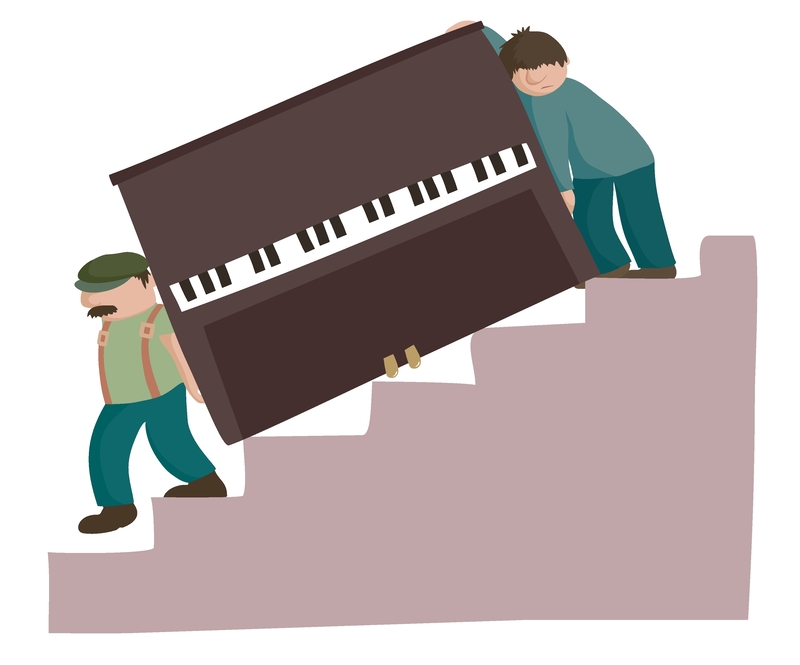
When Should You Start the Decluttering Process?
The sooner you start, the better. Ideally, you should begin tidying at least one to two months before moving day. This timeline gives you space to sort, decide, and properly dispose of items without feeling rushed or overwhelmed.
- Set aside dedicated time each day or week for focused decluttering sessions.
- Start with less-used rooms and items to build momentum.
By breaking down the process, you reduce the risk of decision fatigue and last-minute chaos.
Step-by-Step Decluttering Guide Before a Move
Step 1: Gather Your Supplies
Before you begin, assemble everything you need for an efficient decluttering process:
- _Sturdy boxes or bins_ for packing, donating, and trash
- Heavy-duty garbage bags
- Markers and labels
- Sticky notes for quick categorization
- Cleaning supplies (for wiping shelves and surfaces as you go)
Step 2: Make a Decluttering Plan
_Don't try to declutter your home in one day!_ Create a room-by-room schedule, spreading tasks out over several days or weeks.
- Start with storage spaces: Basements, garages, attics, and closets usually hold the most clutter.
- Tackle rarely used rooms next, such as guest rooms or storage nooks.
- Leave high-traffic areas--kitchen, bedroom, living room--towards the end.
Having a clear plan will keep you organized and motivated throughout.
Step 3: Sort Your Belongings - The Four-Box Method
One of the most effective decluttering techniques before moving is the "Four-Box Method". As you move through each room, label four boxes as:
- Keep - Items you'll take to your new home and use regularly.
- Donate or Sell - Things in good condition that you no longer need or want.
- Store - Seasonal or rarely used items you'll need access to later.
- Trash - Broken, worn out, or unusable items that can't be donated or sold.
Be honest with yourself as you sort. If you haven't used it in the last year, it might be time to let it go.
Step 4: Focus on One Room at a Time
It's tempting to bounce between rooms, but for effective decluttering before a move, always complete one area fully before moving to the next.
- Begin with storage spaces and forgotten corners where you're less emotionally attached to items.
- Tackle high-use areas last, so you're not left scrambling to find essentials before moving day.
Step 5: Ask the Right Questions
When deciding whether to keep an item, ask:
- Have I used this in the past year?
- Does it fit my new lifestyle or space?
- Would I buy this again?
- Is it in good working condition?
- Does it have sentimental value? If so, is it worth the space it'll take?
Step 6: Handle Sentimental Items With Care
_It's normal to struggle with letting go of sentimental possessions_. Designate a small box or container strictly for cherished items. If space is an issue, photograph these items to preserve the memory without keeping the physical object.
Sometimes, talking with family members can help determine what truly matters, or whether someone else might want a memento.
Room-by-Room Decluttering Checklist
Kitchen
- Expired food and spices
- Duplicate utensils and gadgets
- Unused appliances
- Chipped or mismatched dishes
- Plastic containers without lids
_Pack essentials you use daily_. Donate or toss anything that's unused or expired.
Living Room
- Magazines and newspapers
- Old DVDs, CDs, or electronics
- Excess throw pillows and blankets
- Knick-knacks and decor you don't plan on using
Streamline surfaces and keep only favorite books, decorations, and electronics.
Bedrooms
- Clothing you no longer wear or need
- Worn-out linens and bedding
- Unused shoes and accessories
- Old cosmetics or jewelry
*Try the "hanger method":* Turn your clothing hangers backward and only flip them when you wear something. Anything still facing backward before the move can be donated or sold!
Bathrooms
- Expired medicine and toiletries
- Old towels
- Unused hair tools or products
- Empty or near-empty bottles
Garage, Attic, and Basement
- Broken tools or sporting goods
- Outgrown toys or bikes
- Holiday ornaments you never use
- Old paint, chemicals, or hazardous materials (dispose responsibly)
Tips for Selling, Donating, and Disposing
Best Ways to Sell Your Unwanted Items
- Online Marketplaces: List items on Facebook Marketplace, eBay, Craigslist, or local buy/sell/trade groups.
- Consignment Shops: Ideal for high-quality clothing, accessories, and household decor.
- Garage/Yard Sale: A great way to sell multiple items at once. Invite neighbors and advertise online for greater reach.
Donating and Recycling Options
- Local Charities: Goodwill, Salvation Army, and Habitat for Humanity often offer pick-up services for bulk donations.
- Community Centers: Many accept working appliances, furniture, and clothing for those in need.
- Recycle Electronics: Find certified e-waste recycling centers for gadgets and batteries.
Responsible Disposal
- Check municipal bulk-item pick-up schedules.
- Contact hazardous waste facilities for chemicals, paint, or batteries.
- Shred sensitive documents to protect your identity.
Packing After Decluttering: Best Practices
- Label everything: Mark boxes clearly with room and contents for easy unpacking.
- Pack by zone, not by item type: Keep items from the same room together for an efficient transition.
- Protect fragile items: Use bubble wrap, packing paper, or towels for extra padding.
- Create an Essentials Box: Include toiletries, a change of clothes, chargers, and basic cookware for the first night in your new home.
How to Stay Motivated During Decluttering
- Set micro-goals: Focus on a single drawer, closet, or bookshelf instead of the whole house.
- Reward yourself: Celebrate progress--enjoy a treat or a favorite activity after finishing a room.
- Use a timer: Work in short, focused bursts (e.g., 25-minute intervals) and take breaks.
- Enlist help: Turn on music, invite friends or family, or hire professional organizers if needed.
*Remember: Every item you let go moves you closer to an easier, lighter move!*
Common Mistakes to Avoid When Decluttering Before a Move
- Waiting until the last minute: Rushed decisions mean you might keep too much--or overlook valuable items to sell or donate.
- Trying to multitask: Packing and decluttering at once is overwhelming. Separate these tasks as much as possible.
- Letting nostalgia cloud judgment: While memories matter, your future comfort and space are more important. Keep only the truly meaningful items.
- Not enlisting help: Taking on the entire process solo can be exhausting. Ask for support as needed.
- Overthinking: Trust your gut and move quickly. The less you second-guess, the easier the process becomes.

Final Thoughts: Embrace a Fresh Start
_Decluttering before you move_ is a gift to your future self. Not only does it simplify the transition, but it ensures your new home is free from items that no longer serve a purpose. With intentional effort and the right strategy, you'll turn a potentially stressful experience into an empowering one.
Ready to enjoy a lighter, clutter-free relocation? Use this step-by-step decluttering guide before moving and embrace the joy of a fresh start!
Frequently Asked Questions About Decluttering Before You Move
- How long does it usually take to declutter a house before moving?
It varies based on house size and volume of possessions, but a thorough declutter can take 2-6 weeks if done systematically. - Should I declutter before or after hiring movers?
Always declutter before hiring movers to accurately estimate costs and avoid moving unwanted items. - What should I do with items I can't decide on?
Place them in a "maybe" box. Revisit at the end--if you're still unsure, it's usually safe to let them go.
Start Your Moving Journey Clutter-Free
By following this thorough guide to decluttering before your move, you'll not only lighten your load but also create a home filled with only what you love and need. Happy moving!