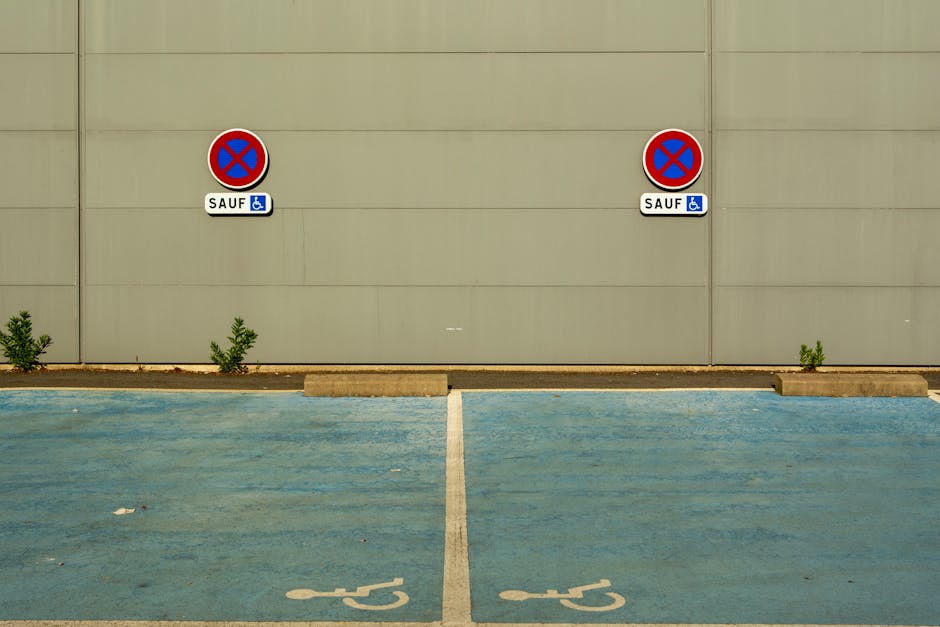
Parking and loading rules in Rainham: avoid fines
Posted on 05/07/2026

If you are moving house, delivering furniture, or arranging a van visit in Rainham, parking can become the annoying little detail that causes the biggest headache. A van that blocks a drive, sits on a yellow line for too long, or unloads in the wrong place can turn a simple move into a ticket, a delay, or an argument with a neighbour. That is exactly why understanding Parking and loading rules in Rainham: avoid fines matters before moving day arrives.
In practice, good loading planning is not just about staying polite. It helps you protect your schedule, keep costs under control, and avoid the kind of rushed mistakes that happen when everyone is staring at the clock. Whether you are moving from a flat, shifting office stock, or handling a bulky item, a bit of planning goes a long way. Let's make it simple, local, and actually useful.
Why Parking and loading rules in Rainham: avoid fines Matters
Rainham has the same basic road pressures you see in many busy parts of London: narrower residential streets, parked cars on both sides, short kerb space, and homes where the front door is not exactly set up for a seven-metre van. On a calm Tuesday morning that may be manageable. On a wet Friday afternoon, it can get messy very quickly.
The real issue is this: parking and loading rules are not a side topic, they are part of the move itself. If you cannot stop safely and legally, your loading time gets longer. If loading takes longer, the van is more exposed, the team is under pressure, and small errors start multiplying. That is when people get caught out.
In our experience, the worst problems are not dramatic. They are ordinary. Someone assumes a kerb is fine because "it's only for ten minutes". Someone leaves the vehicle angled half across the road. Someone believes loading counts as an automatic excuse everywhere, but the road markings say otherwise. And then there is the classic one: the box is still in the hall, the clock is ticking, and the driver is doing a little mental calculation nobody wants to hear.
It is also worth remembering that parking restrictions may change from one street to the next. A spot that looks harmless can still be subject to time limits, resident-only conditions, school-time restrictions, or a yellow-line rule that catches people out when the van is loaded and nobody wants to repark.
If you are preparing for a full move, a good place to start is with the practical side of packing and decluttering as well. Our guides on packing for a smoother move and decluttering before you move can help reduce the number of trips, which is often the easiest way to reduce loading stress too.
How Parking and loading rules in Rainham: avoid fines Works
At a practical level, loading rules are about where a vehicle can stop, how long it can remain there, and whether stopping is allowed for the purpose of loading or unloading. That sounds straightforward, but the details are what matter. You may be allowed to stop briefly for active loading in one place and still be in breach of a restriction in another.
Here is the plain-English version:
- Loading means actively moving goods between the property and the vehicle.
- Unloading means taking items off the vehicle at the destination.
- Parking is different from loading. If you have stopped and are not clearly loading, you are more exposed to enforcement.
- Waiting too long can turn a legitimate stop into a problem, especially if the vehicle is unattended.
What catches people out is that "loading" is not a magic word. If there is no obvious activity, or if the vehicle appears to be staying longer than necessary, enforcement officers may not see it as a valid loading stop. That is why a tidy, well-organised move is so valuable. Less clutter, fewer carrier bags in the hallway, fewer excuses for delay.
For flat moves and mixed-access streets, this becomes even more important. A van might need to stop close to the entrance, but if the available space is tight, the team should think about how long the loading will realistically take. If a staircase is awkward, or the property is one of those places where every item feels like it has to take a tiny journey through a narrow gap, then the timing becomes part of the parking plan. The same applies to local access points near busy roads or station areas; for example, people moving near rail links often need a more careful van checklist, like the one in this local van checklist for station-side moves.
One more useful point: if your move involves bulky items, you are often not dealing with "one quick lift and done". Sofas, wardrobes, bed frames, and white goods usually need protected handling, more shuttling, and clearer planning. For larger items, read advice on bulky items and wardrobes and, if the street layout is awkward, these van access tips for Wennington Road moves.
Key Benefits and Practical Advantages
Getting parking and loading right is not only about avoiding fines. It changes the whole tone of moving day. Things feel calmer. The crew can work at a sensible pace. There is less carrying back and forth. And you are much less likely to discover that one missing item has been abandoned on the pavement while someone is hunting for a legal parking space. Not ideal, frankly.
The main benefits are easy to see:
- Fewer fines and penalties from avoidable parking mistakes.
- Less delay because the van is positioned properly from the start.
- Safer handling when items are loaded directly and efficiently.
- Lower stress for everyone involved, including neighbours.
- Better cost control because the job is less likely to overrun.
There is also a softer benefit that people often underestimate: a properly planned loading area protects relationships. If you are moving from a flat in a busy street, or handling an office clear-out where traffic is already tight, the difference between a smooth stop and a blocked entrance can be huge. Nobody wants to be the person causing horns, crossed arms, and a very pointed look from the resident opposite.
For a bigger move, this planning also connects well with broader moving prep. If the van can load in the right place at the right time, items can be packed more logically and the whole day tends to run better. That is where stress-free house moving tips and safe bed and mattress moving advice become genuinely useful rather than just nice-to-have reading.
Who This Is For and When It Makes Sense
This guidance is for anyone moving goods in Rainham who will use a van, lorry, or even a car-and-trailer setup. That includes homeowners, tenants, landlords, students, business owners, and anyone helping family with a move. To be fair, the smaller the job looks on paper, the easier it is to underestimate loading time.
It is especially relevant if you are:
- moving from a flat with limited kerb access;
- using a busy street near local shops or commuter routes;
- handling furniture, appliances, or boxes in multiple trips;
- arranging same-day removals and working to a tight schedule;
- trying to avoid complaints from neighbours or building management;
- coordinating loading for an office, student move, or storage drop-off.
If you are moving heavier items, parking choices and loading strategy matter even more. A piano move, for example, is not something you want to improvise while the van is idling in an awkward spot. The same goes for large items that need careful lifting; our article on moving a piano safely is a good reminder that access planning and handling go hand in hand.
Students often think they can wing it because it is only a few boxes and a monitor. Then they discover the stairs, the traffic, the awkward parking bay, and the missing trolley wheel. It happens more than people admit.
If you are managing a move with limited storage space at the new place, you may also need to unload in stages. In that case, it is worth checking your route and timing carefully, and making sure the van is not left in a spot that becomes a problem once the unloading takes longer than expected. For related planning, see storage options in Rainham if you need to split the move over two days.
Step-by-Step Guidance
Here is a straightforward way to reduce risk before moving day. It is not fancy, but it works.
- Check the property access first. Look at the street width, the closest practical stopping point, and whether there is a safe path from the van to the entrance.
- Identify restrictions early. Look for yellow lines, resident bays, dropped kerbs, school zone restrictions, or signs that suggest loading is limited.
- Measure the job realistically. Think about how many trips are needed, how long large items will take, and whether there are stairs, corners, or long corridors.
- Pack for efficient unloading. Keep essentials accessible and label boxes clearly so you are not delaying the van while hunting for a kettle or bedding.
- Decide who stays with the vehicle. Someone should always know whether the van is actively loading and whether it may need to be moved quickly.
- Keep the route clear. Avoid piling items on the pavement or near a doorway where they may obstruct access or draw complaints.
- Time the move sensibly. If the area is busy at school run time, commuter time, or the late-afternoon rush, plan for slower loading.
A useful trick is to do a five-minute "arrival rehearsal" the day before. Stand where the van may stop, walk the route with your hands free, and picture where each sofa, box, and appliance will go. It sounds a bit over-prepared. It is not. It saves people more often than they expect.
For practical packing support, have a look at packing and boxes in Rainham and the article on packing for a smooth move. If you are moving a fridge or freezer, that deserves extra care too; see freezer protection during inactivity.
Expert Tips for Better Results
Once the basics are sorted, a few small habits can make the whole day easier. These are the sort of details that separate a tidy move from a chaotic one.
- Load the heaviest items first if the route to the van is clear, because you do not want to waste legal stopping time shuffling light stuff around.
- Use a "front door stack" system inside the property so items are ready to move in the right order.
- Keep doors propped open safely where appropriate, so the team is not constantly stopping and starting.
- Have keys, parking details, and contact numbers ready before the van arrives. Waiting around is a silent budget killer.
- Build in buffer time if the street is narrow, if neighbours share the same access point, or if there may be a queue for parking.
Another practical tip: if you are dealing with awkward or heavy items, do not be tempted to split your attention between the load and the parking space. It sounds obvious, but in the middle of a move people get distracted. One person is carrying, another is searching for the best bay, and suddenly nobody is actually watching what the van is doing.
If lifting is part of the job, it helps to use safe body mechanics rather than improvising. Our guide to kinetic lifting basics and the article on lifting heavy objects solo are worth a read before you start moving bulky items down the path. Little win there, fewer sore backs later.
If your move involves furniture that needs extra care on entry and exit, furniture removals in Rainham can be a sensible option when access is tight and timing matters. You will often find that professional handling reduces the amount of time the vehicle needs to remain in a tricky spot.
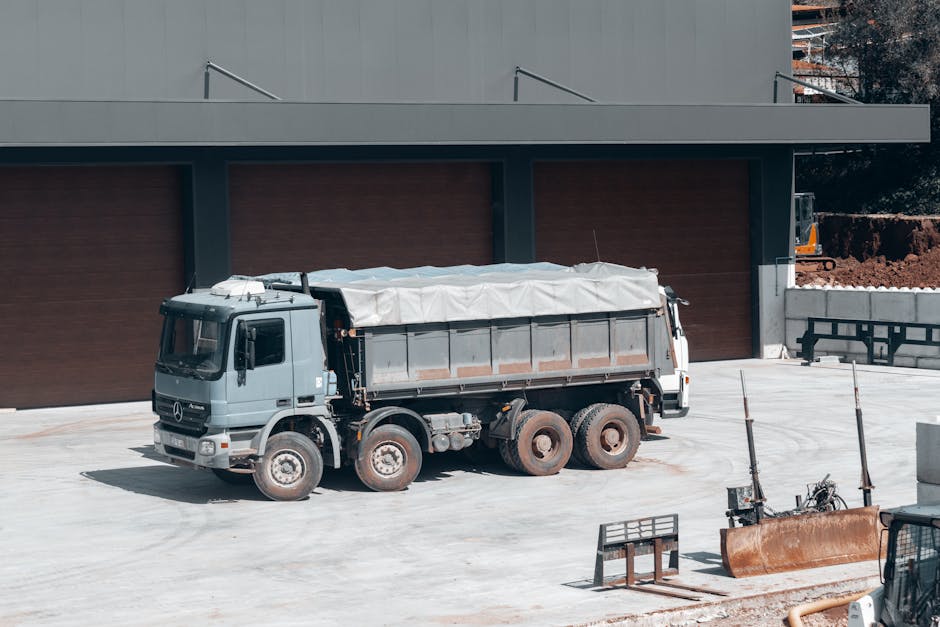
Common Mistakes to Avoid
The most common mistakes are rarely dramatic. They are small judgement errors that stack up.
- Assuming loading rules are unlimited. They are not. If the activity is not active or reasonable, you can run into trouble.
- Stopping in the wrong place because it is "only for a minute". That is how many fines begin.
- Leaving items on the pavement. It can block access, annoy neighbours, and slow everything down.
- Underestimating the job. A "small" move can stretch out badly if the route is awkward.
- Not telling everyone the plan. If the driver, helper, and person inside the property each think someone else is handling parking, things slip.
- Forgetting the return journey. You might be fine on the first stop and then find the second location has much tighter restrictions.
There is one mistake that deserves special mention: putting the van where it is easiest for you, rather than where it is safest and most compliant. That shortcut often backfires. It may save thirty seconds at the start and cost half an hour later. Sometimes more. And yes, that is the sort of thing people only learn once.
If your move is tied to a more complicated property setup, such as a flat with staircase access issues, it is sensible to think about the full route, not just the curb. This is where staircase access solutions for Rainham flats can be especially helpful.
Tools, Resources and Recommendations
You do not need a van-load of specialist gear to stay organised, but a few simple tools make a big difference.
- Printed move plan with times, addresses, and access notes.
- Clear box labels so items can be unloaded in the right order.
- Furniture blankets, straps, and a trolley for quicker, safer loading.
- Phone notes or photos of parking signs and access points.
- Sticky reminders for key tasks like "check bay before unloading" or "move van after first run".
For people planning a more involved move, it can help to use supporting content alongside your parking plan. Decluttering first often cuts loading time, and that has a direct impact on how long the van needs to remain in place. You can also use our guide to avoiding hidden removals fees in Rainham to keep an eye on charges that can creep in when access is not well planned.
If you are arranging a move with a tight budget, take a look at pricing and quotes so you can factor access issues into your expectations. It is better to know early than to get a surprise later, especially when the day is already busy and slightly noisy and you are trying to carry a kettle at the same time.
There are also service pages that may help you decide the right level of support for your situation: man with a van in Rainham, man and van in Rainham, and removals in Rainham. For a broader overview, services overview is a good starting point.
Law, Compliance, Standards, or Best Practice
Parking and loading rules are shaped by a mix of local restrictions, road markings, traffic management rules, and the practical reality of keeping roads moving safely. The exact rules vary by location and situation, so you should always treat signs and road markings as the first thing to check, not the last. That part matters.
As a general best practice in the UK, moving vehicles should avoid unnecessary obstruction, keep access clear for other road users, and only rely on loading exemptions where loading is genuinely taking place. If a stop is too long, too casual, or too far from the property to count as active loading, that can become a problem. A common sense reading usually helps: if it looks like parking, it may be treated like parking.
For businesses and landlords, there is also a duty of care angle. If you are arranging an office move or multiple deliveries, the people organising it should make reasonable plans for access, safety, and traffic flow. That is not just best practice; it is what keeps the day from turning into a patchwork of avoidable delays.
On the safety side, sensible handling and access planning also align with broader housekeeping expectations. If you want to know more about how the company approaches safety and responsibility, the pages on health and safety policy and insurance and safety are relevant background reading.
And if your move involves a skip, waste, or leftover furniture, planning ahead matters there too. A related guide on skip permits for Rainham removals can help you think about the full logistics picture rather than only the van parking spot.
Options, Methods, or Comparison Table
Different parking and loading approaches suit different jobs. The best option depends on access, traffic, item size, and how long the loading will really take.
| Approach | Best for | Pros | Risks or limits |
|---|---|---|---|
| Short active loading stop | Small moves, quick collections, a few boxes | Fast, simple, minimal disruption | Easy to overstay if the job runs long |
| Pre-planned legal bay | Flats, narrow streets, medium moves | More predictable, lower chance of fines | May require a little more walking distance |
| Resident-friendly timed loading | Shared roads and sensitive neighbourhoods | Reduces complaints, easier to coordinate | Needs stronger time discipline |
| Professional removals support | Heavy, awkward, or time-sensitive jobs | Better handling, faster turnarounds, less stress | Must still be planned carefully around local restrictions |
If you are moving something straightforward, a short active loading stop may be enough. If the area is tight or the item list is long, a planned legal bay is often safer. And if the job involves office furniture, multiple rooms, or awkward access, professional support can reduce the loading time enough to make compliance much easier.
For more specialised moving needs, the following pages may help you choose the right method: flat removals in Rainham, house removals in Rainham, office removals in Rainham, and student removals in Rainham.
Case Study or Real-World Example
Picture a standard Rainham flat move on a damp morning. The tenant has three large boxes, a bed frame, a table, and a few bags of household items. The street is busy enough that parking is tight, but not impossible. The problem is that the boxes are still being packed when the van arrives.
At first, everything looks fine. The driver pulls up in a space that seems convenient. One helper starts carrying items down the stairs while the other tries to juggle the entry key, the parking situation, and the neighbour who needs to get past the front path. Then the day slips. Ten minutes becomes twenty. The loading stop begins to look less like active work and more like a van that has been parked there for half the morning.
Now compare that with a better-planned version. The boxes are labelled and ready. The heaviest pieces are placed nearest the exit. The driver knows the intended stopping point before arrival. One person stays aware of the vehicle while the other handles the property handover. The loading is still hard work, of course, but it is orderly. Fewer pauses. Fewer misunderstandings. Much lower risk of fines or complaints.
This is the pattern we see time and again: the move itself may be ordinary, but the access and parking plan decides how stressful it feels. A little preparation can remove a lot of friction. It really can.
Practical Checklist
Use this before moving day, or print it and keep it near the door.
- Confirm the exact address and access route.
- Check for parking signs, yellow lines, and loading restrictions.
- Decide where the van can stop safely without blocking access.
- Estimate how many trips the move will need.
- Label boxes clearly and keep priority items together.
- Make sure keys, contacts, and directions are ready.
- Assign one person to monitor the vehicle if needed.
- Keep walkways and pavements clear.
- Allow extra time for stairs, long carries, or awkward furniture.
- Have a backup plan if the first parking spot is already taken.
Expert summary: the safest way to avoid fines is to treat parking as part of the move plan, not a separate task. Check access early, keep loading active, and reduce time pressure by packing well. That simple shift makes a bigger difference than most people expect.
If you are still organising the details of the move, you may find it helpful to review about us for background, or explore recycling and sustainability if you are clearing items as part of the process. For documents and policies, you can also check terms and conditions, privacy policy, and accessibility statement.
Conclusion
Parking and loading in Rainham does not need to be complicated, but it does need a bit of care. If you know where the van can stop, how long loading will take, and what the local access looks like, you can avoid the most common fines and delays before they happen. That is the real win.
Truth be told, most moving-day problems are not caused by one huge error. They come from a few small assumptions made too late. A van stopped in the wrong place. A hallway left cluttered. A loading window that was too optimistic. Fix those early, and the rest of the day feels much lighter.
Get a free quote today and see how much you can save.
And if you do nothing else, do this one thing: plan the stop before the first box is lifted. It is a small step, but it can save a lot of grief.