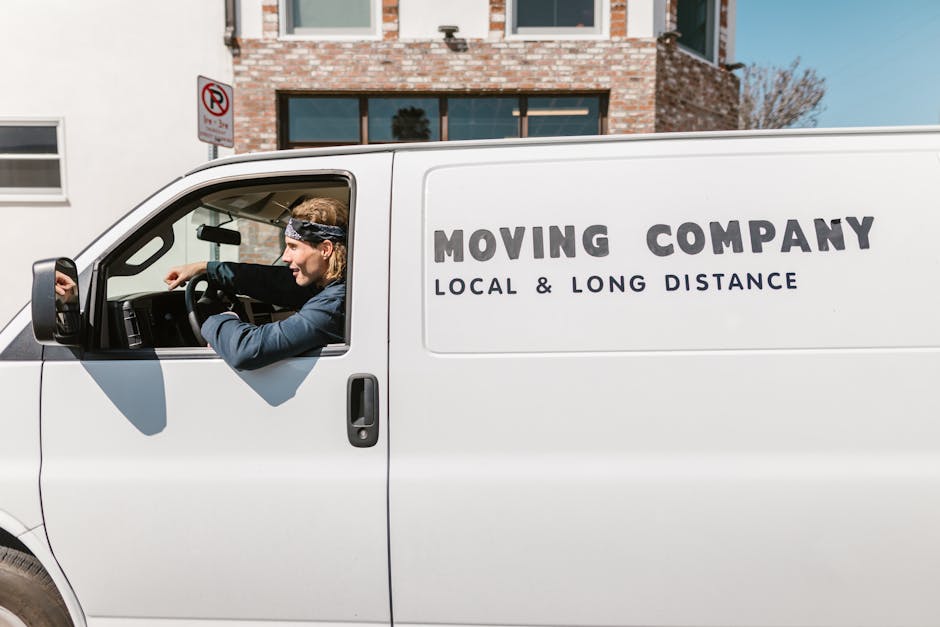
Moving near Rainham Station -- local van checklist
Posted on 07/05/2026
If you're moving near Rainham Station, the details matter more than people expect. A short street, a tight driveway, a busy school run window, or a van that arrives five minutes late can turn a simple move into a very long day. This guide gives you a practical Moving near Rainham Station -- local van checklist so you can plan the right vehicle, avoid common problems, and keep the move calm from start to finish.
Truth be told, most moving stress comes from the small stuff: the wrong van size, poor loading order, missing parking arrangements, or a few boxes that were never properly sealed. The good news? Those are fixable. Below you'll find a local, step-by-step checklist built for real-world moves around Rainham Station, with links to useful guides and service pages if you want to go deeper.
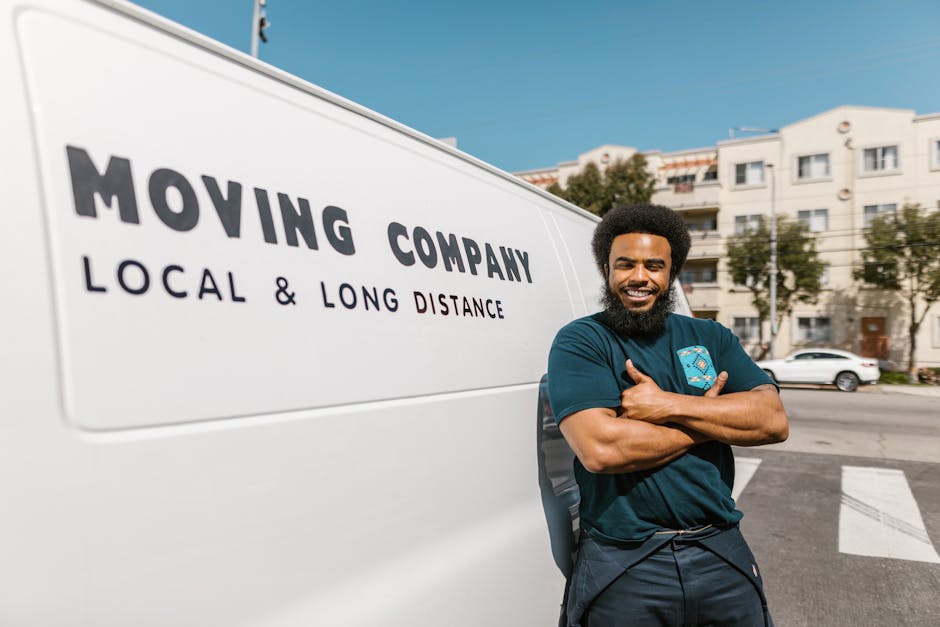
Why Moving near Rainham Station -- local van checklist Matters
Moving near a station is a slightly different game from moving on a quiet estate road. Rainham Station brings in commuter traffic, peak-time pressure, occasional bottlenecks, and the classic London-style issue of "just stopping here for a minute" that never quite works out. A local van checklist helps you think ahead about access, timing, and the kind of vehicle that can actually park, load, and leave without drama.
It also matters because van size is not just about capacity. It affects manoeuvrability, loading height, fuel use, and how long the move takes. A small van might be perfect for a flat move or student move; a larger removal van may be better for family furniture, appliances, or a longer household relocation. If you want a broader picture of the service side, our removal services overview is a useful place to start.
In our experience, local moves go best when the plan is built around the street as much as the items. Where will the van wait? Which entrance is easiest? Is there a lift, or are you dealing with stairs that seem to go on forever? Small questions, big difference. And yes, they can save your back too.
How Moving near Rainham Station -- local van checklist Works
The checklist works by breaking your move into practical stages: pre-move prep, van selection, packing, access planning, loading, transport, and arrival. Each stage has a few non-negotiables. Skip one, and you usually feel it later. Usually at the exact moment you don't want to.
Start with the route and property type. A ground-floor flat near the station has different needs from a top-floor maisonette or a family house with a rear alley access. Then think about what you're actually moving: boxes, wardrobes, a bed, white goods, office equipment, or awkward items like a piano. For bulky items, the right van and the right handling make all the difference. If you're moving furniture, this guide pairs well with furniture removals in Rainham and our article on moving your bed and mattress safely.
The checklist also makes room for timing. Near Rainham Station, mornings and evenings can be busier than you'd expect, especially if you're trying to load while commuters are moving through the area. A good local van plan avoids rush-hour guesswork and gives yourself a margin. A buffer of even 20 to 30 minutes can be the difference between a relaxed move and a frazzled one.
Key Benefits and Practical Advantages
A proper local van checklist does more than organise a move. It reduces mistakes, lowers the chance of damage, and helps you choose a service that matches the job. That sounds obvious, but it's exactly where many moves slip up.
- Better van sizing: You avoid paying for space you don't need, or worse, booking too small and needing a second trip.
- Smoother loading: Items are packed in a logical order, so the first thing out at the destination is actually reachable.
- Less property damage: If access, staircases, and door widths are checked first, there's less bumping furniture on the way through.
- Lower stress: You're not making decisions on the pavement with a clock ticking and boxes everywhere.
- Better local timing: You can plan around station traffic, school runs, and any parking restrictions that may affect the move.
There's also a financial benefit. When you know what you need, you can compare quotes more sensibly. If you're price-checking, take a look at pricing and quotes so you understand what affects the cost of a local van booking. A precise brief usually leads to a better, cleaner quote. Simple as that.
Who This Is For and When It Makes Sense
This checklist is useful for almost anyone moving in or around the Rainham Station area, but it is especially helpful if your move is tight on time or space. That includes:
- tenants moving into or out of a flat near the station
- students heading into shared accommodation
- families moving house within Rainham or nearby
- people moving a few large items rather than a whole home
- small businesses relocating office equipment or stock
- anyone needing same-day or short-notice help
If you're in a flat, the checklist matters even more. Lift access, narrow corridors, and shared entrances can slow everything down. Have a look at flat removals in Rainham if that sounds familiar. For students, there's also student removals in Rainham, which is often the right fit for lighter loads and more flexible timings.
And if your move is urgent, maybe because a tenancy date changed or the keys arrived late, the same-day removals service can be worth considering. Not every move can be planned months ahead. Life happens.
Step-by-Step Guidance
Here's the practical version. Use this as your moving day backbone.
1. Confirm what actually needs moving
Walk through the property and split everything into four groups: take, store, donate, and dispose. This is where a quick declutter saves more time than you'd think. If you want a structured approach, our step-by-step decluttering guide is well worth reading.
2. Measure bulky items and access points
Measure wardrobes, sofas, beds, fridges, and any awkward corners in the property. Then compare those measurements with doorways, stair turns, and lift dimensions. People often measure the sofa and forget the hallway. That's where the trouble starts.
3. Choose the right van size and service type
A small van can be ideal for a studio or a few items. A larger removal van may suit a full household load. If you're unsure, it's better to talk through the inventory than guess. You can also compare options on the man with a van Rainham page and the broader man and van service. For more transport-focused needs, the removal van Rainham page gives a clearer idea of vehicle-based support.
4. Check parking and loading access
Decide where the van can safely stop. If the nearest legal space is a little farther away, factor that in. Carrying boxes an extra 30 metres is not a disaster, but it changes timings. Near Rainham Station, that planning matters. If there are loading restrictions or a busy frontage, build in a fallback spot.
5. Prepare the packing in the right order
Pack room by room and label the boxes clearly. Heavy items go in small boxes. Light but bulky items can go in larger boxes. If you need a refresher, our packing guide for a smooth move covers the basics without fuss.
6. Protect fragile and specialist items
Wrap glass, secure drawers, and remove loose parts where appropriate. For furniture, blankets, shrink wrap, and straps are your friends. Sofas and mattresses deserve proper handling too, especially if they're going into storage or staying wrapped for a while. See sofa preservation advice and bed and mattress moving tips for practical detail.
7. Plan heavy-item handling before the van arrives
Don't leave the heaviest items until the last minute. If you've got a piano, large wardrobe, or chunky appliance, make a plan in advance. If you're tempted to move a piano alone, pause. Just pause. The risks are not worth it, and our guide on moving a piano safely explains why.
8. Confirm who is doing what on the day
Decide who unlocks doors, who directs the load, who checks the final sweep, and who handles key handover. Simple role allocation keeps the move from turning into a series of small interruptions.
9. Do a final walk-through before departure
Look in cupboards, behind doors, under beds, and inside the fridge or freezer if they're being disconnected. Small things get missed when the pace picks up. There's always one sock, one charger, one mug. Always.
Expert Tips for Better Results
A few small adjustments can make the whole day noticeably easier.
- Use one box size for most items: It stacks better and makes loading more efficient.
- Keep essentials separate: Kettle, charger, documents, medication, snacks, and toilet items should not vanish into the main load.
- Protect the first and last items: The items loaded first and unloaded last are the most exposed to movement, so wrap them properly.
- Think in terms of order: Items you'll need immediately at the destination should come off first.
- Check lifting technique: If you're helping out, use the basics of safe lifting rather than twisting and hoping for the best.
If you want a clearer explanation of safe movement technique, our article on the basics of kinetic lifting is helpful. And if the job includes particularly heavy boxes or appliances, lifting heavy objects solo explains where caution really matters.
One practical tip that gets overlooked: take photos of cable setups, shelving, and appliance connections before you disconnect them. That tiny habit can save a lot of head-scratching later, especially in the evening when you're trying to reconnect the washing machine and the room has that half-packed, echoey look.

Common Mistakes to Avoid
Most moving problems are surprisingly predictable. That's the annoying part.
- Booking the wrong van size: Too small means multiple trips or a stressful squeeze. Too big may be unnecessary cost.
- Ignoring local access: Station-area traffic, road width, and parking rules can change the move plan fast.
- Overloading boxes: A box should be liftable without feeling like it contains a brick collection.
- Forgetting to defrost or prep appliances: Freezers and fridges need preparation before transport or inactivity.
- Poor labelling: If every box looks the same, unpacking becomes a scavenger hunt.
- Not checking insurance and safety arrangements: You want to know what is covered before anything is moved, not after.
If appliances are being left unused for a while, it's worth reading our advice on safeguarding your freezer during inactivity. Likewise, if you're doing a pre-move clean before handing over keys, the pre-move cleaning guide can help you avoid the awkward last-minute scrub.
And yes, forgetting the kettle is not a crime, but it does feel like one at 7:30 p.m. after a long move.
Tools, Resources and Recommendations
You do not need a warehouse full of kit, but a few tools make local moves much smoother.
| Tool or resource | Why it helps | Best use case |
|---|---|---|
| Strong tape and markers | Keeps boxes sealed and clearly labelled | Every household move |
| Furniture blankets and straps | Protects surfaces and stabilises awkward items | Sofas, wardrobes, beds, desks |
| Bubble wrap or paper | Helps protect fragile items | Glassware, lamps, kitchen items |
| Trolley or sack truck | Reduces carrying strain and speeds up loading | Appliances and heavy boxes |
| Inventory list | Helps track items and spot missing pieces quickly | Busy moves with many boxes |
For packing materials, the packing and boxes service is a sensible option if you'd rather not source everything yourself. If you need temporary space between properties, storage in Rainham can also take pressure off a tight move schedule.
One more useful point: if sustainability matters to you, it's worth looking at the company's recycling and sustainability approach. It's a small detail, but many people like knowing unwanted items are handled responsibly where possible.
Law, Compliance, Standards, or Best Practice
For a local move, you usually do not need to worry about complex legal compliance yourself, but there are still sensible standards to follow. In the UK, best practice is to use a service that works safely, handles goods with care, and is transparent about terms, insurance, and payment. That isn't just admin. It protects you if something goes wrong.
Before booking, check the provider's insurance and safety information and review the terms and conditions. If you want to understand how personal data and site tracking are handled, the privacy policy and cookie policy are there for a reason. Slightly dry reading, yes, but worthwhile.
It is also sensible to check whether the company has a clear complaints route and accessible information. Those pages are a quiet sign that the business takes customer care seriously. You can review the complaints procedure and the accessibility statement if you want a fuller picture. For more general background, the about us page offers context on who is handling your move. If the exact domain style looks off in that link, use the company site's own navigation for the correct page. Small web gremlins happen.
One final best-practice note: if someone is handling heavy items, lifting technique matters. Training and care are not just for large removals. They help prevent avoidable strains, trips, and awkwardly dropped furniture. A cautious, well-organised move is usually a safer move.
Options, Methods, or Comparison Table
Most people around Rainham Station are choosing between a few practical move styles. Here's a simple comparison to help you decide.
| Option | Best for | Pros | Watch-outs |
|---|---|---|---|
| Man with a van | Small to medium moves, flats, student relocations | Flexible, usually efficient, good for local jobs | May not suit very large loads without planning |
| Removal van service | Household furniture and larger loads | More space, better for bulky items, smoother loading | Needs clearer inventory and access planning |
| Full removals service | Busy family moves, office relocations, complex jobs | More support, more coordination, less stress on you | Usually the most structured option |
| Self-move with hired van | Very small moves, budget-driven jobs | Can be cheaper upfront | More physical work, more risk, more planning on you |
If you are moving a flat or a family home, the right choice often depends less on the headline price and more on how much support you actually need on the day. A cheaper option that creates three extra hours of lifting is not always cheaper, if you see what I mean.
Case Study or Real-World Example
Here's a very typical local scenario. A couple moving from a first-floor flat near Rainham Station had about 18 boxes, a sofa, a bed, a dining table, and a fridge-freezer. At first glance, they thought a small van would be fine. On paper, maybe. In reality, the staircase was narrow, the sofa arm was awkward, and there was no easy loading bay outside.
They paused, measured the larger items, and switched to a van that gave more loading flexibility. They also separated the most fragile boxes, labelled the kitchen items clearly, and kept a small essentials bag with documents and kettle gear. That one decision to choose a slightly better-suited vehicle meant fewer lifts, less back-and-forth, and no last-minute panic in the street. The move still took effort, of course, but it felt manageable rather than chaotic.
The big lesson? The best local van checklist is not about perfection. It is about removing the avoidable problems before the day starts.
Practical Checklist
Use this as your quick pre-move run-through. If you can tick most of these off, you're in good shape.
- Inventory completed: I know exactly what is moving, storing, donating, or disposing.
- Measurements checked: Large furniture and access points have been measured.
- Van booked: The vehicle size matches the load, not a rough guess.
- Parking planned: I know where the van can stop near the property.
- Timing reviewed: I've allowed for traffic, stairs, and loading time.
- Boxes labelled: Each box shows the room and whether it is fragile.
- Fragile items protected: Glass, electronics, and valuables are wrapped properly.
- Appliances prepared: Fridge/freezer, washer, and similar items are ready to move or store.
- Heavy items planned: Anything awkward has a safe handling plan.
- Essentials bag packed: Keys, documents, chargers, snacks, and toiletries are separate.
- Insurance and terms checked: I understand what is covered and what is expected.
- Final walk-through: Nothing important has been left behind.
If you are unsure how to organise the move itself, the stress-free house moving tips article is a solid companion piece. It fits neatly with this checklist and helps with the broader moving day rhythm.
Conclusion
Moving near Rainham Station becomes much easier when you treat the van as part of the plan, not just the vehicle that turns up at the end. The right checklist helps you think through access, timing, load size, packing, and safety before the move gets underway. That is where the real savings are made: less stress, fewer mistakes, and a move that feels controlled rather than rushed.
Whether you are shifting a flat, a family home, a few large furniture pieces, or a same-day load, the same principle applies. Plan the local details properly, and the rest tends to follow. Not perfectly, maybe, but well enough to breathe a bit easier. And honestly, that's what most people want on moving day.
Get a free quote today and see how much you can save.