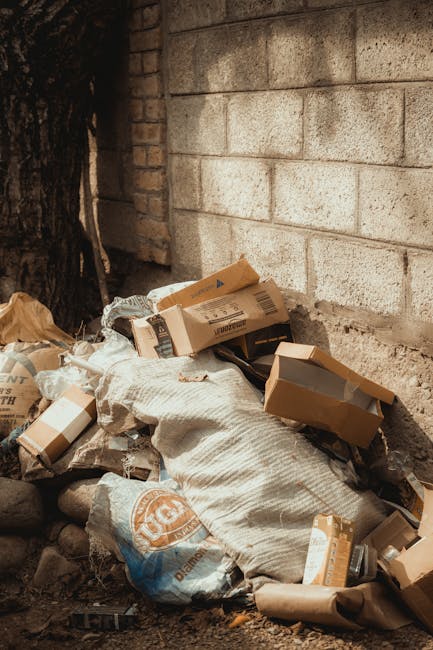
Household waste duty in Rainham: legal steps to follow
Posted on 29/07/2026
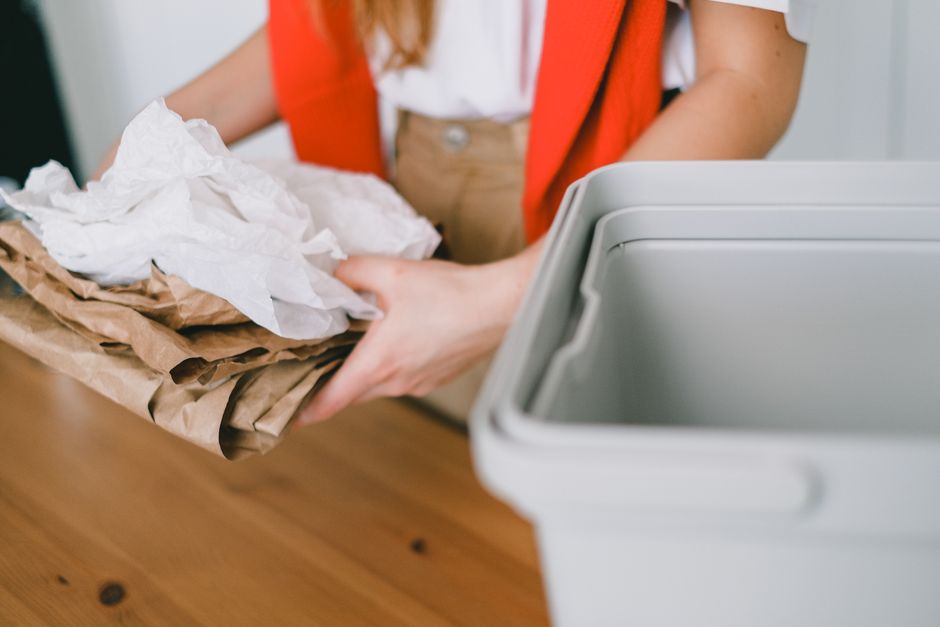
If you are clearing a home, moving out, or simply trying to get on top of a pile of old furniture and bagged rubbish, the rules around Household waste duty in Rainham: legal steps to follow can feel oddly complicated. Truth be told, most people do not set out to do the wrong thing. They just want the waste gone, safely and quickly, without risking a fine or leaving mess behind for the next person.
This guide breaks the process down in plain English. You will see what the duty actually means, the legal steps to follow, the common pitfalls people run into, and the practical choices that make life easier. If you are planning a move, a declutter, or a bigger clear-out, a little structure now can save a lot of stress later.
Why Household waste duty in Rainham: legal steps to follow Matters
Household waste is not just a practical issue. It is also a legal responsibility. In Rainham, as in the rest of the UK, you are expected to manage household waste in a way that prevents fly-tipping, nuisance, blocked access, contamination, and avoidable harm to neighbours or the wider area.
That matters for a few reasons. First, waste that is left out incorrectly can attract pests and create smells fast, especially in warmer weather. Second, if rubbish is handed to the wrong person or dumped somewhere it should not be, the original householder can still face questions about where it came from. And third, a messy waste trail can be a real problem during a move, when time is tight and people are juggling keys, boxes, and parking all at once.
We see this most often when someone is decluttering before moving day. The rush kicks in, the garage becomes a temporary dumping ground, and the temptation is to deal with it later. Later usually means more bags, more lifting, and more risk. A tidier plan is easier on your back too - especially if you have been reading about how to declutter before you move or sorting through items for a smoother packing process.
Practical takeaway: waste duty is not only about avoiding enforcement. It is about keeping your home move organised, safe, and respectful to the people around you.
How Household waste duty in Rainham: legal steps to follow Works
At its core, the duty is straightforward: you must store, sort, present, and hand over household waste responsibly. That usually means using the correct bins, separating recyclables where required, and only using licensed, legitimate routes for anything that cannot go into ordinary collections.
The legal steps are best thought of as a chain. If one link is weak, the whole thing becomes messy.
- Store waste safely so it does not escape, spill, or become a hazard.
- Sort waste properly into general rubbish, recycling, food waste, and any special items.
- Present waste correctly on the right day and in the right container or agreed format.
- Transfer bulky or unusual waste responsibly so it goes to a proper facility or authorised collector.
- Keep records where sensible if you pay someone to remove waste for you.
For many households, the biggest risk is not the ordinary black bag. It is the in-between stuff: broken chairs, old mattresses, a freezer left in the hallway, or a stack of box fragments from a recent move. Those items are easy to underestimate. They also tend to be awkward to carry, and awkward is where people get sloppy.
If you are dealing with furniture at the same time, it can help to think about the move and the waste clear-out together. Advice on bulky waste removals in Rainham is especially useful when cupboards, wardrobes, and other heavy items need to go without causing a scene on the pavement. And if access is tight, the local note on staircase access problems in Rainham flats is worth a look before you start dragging anything down the stairs.
Key Benefits and Practical Advantages
Following the right waste steps is not just about being compliant. It actually makes everyday life easier.
- Fewer mistakes under pressure. When the rules are clear, you waste less time second-guessing yourself.
- Lower risk of fines or complaints. Incorrect disposal can create avoidable friction with neighbours or local enforcement.
- Cleaner move-out day. You are not stepping over loose rubbish while trying to load the van.
- Better recycling outcomes. Separating items properly helps useful material stay out of general waste.
- Less lifting, less strain. A tidy staging area means fewer trips, fewer surprises, and fewer bad back moments.
There is also a psychological benefit, which sounds a bit soft until you experience it. A home that is genuinely cleared feels different. Quieter, somehow. You can hear your own footsteps. You stop thinking, "I'll sort that later," because later is finally here.
That is one reason people tackling a move often combine waste duty planning with other sensible preparations, like pre-move-out house cleaning or timing the job to avoid a last-minute scramble. It all adds up.
Who This Is For and When It Makes Sense
This is relevant to almost anyone living in Rainham, but it becomes especially important in a few situations.
- Home movers who are clearing unwanted furniture, packaging, and broken items.
- Tenants who need to leave a property tidy and avoid disputes over left-behind rubbish.
- Landlords and property managers organising end-of-tenancy clearances.
- Families decluttering after years of accumulated household items.
- Students leaving shared accommodation, especially when time is tight and transport is limited.
- Older homeowners or relatives helping with a sensitive clear-out where care and pacing matter.
If you are moving within a short window, the duty becomes even more relevant. A same-day move tends to compress everything, and waste can become the forgotten box room of the whole operation. In those situations, planning around same-day moves in RM13 can be surprisingly helpful because it forces you to decide early what stays, what goes, and what needs special handling.
For students in particular, the issue is often a mix of speed and budget. A quick, tidy exit is the goal, but the rules still apply. Small rooms create surprisingly large waste piles. That is just the truth of it.
Step-by-Step Guidance
Here is a practical route to follow if you want to handle household waste properly in Rainham.
-
Do a room-by-room audit.
Walk through the property and make three simple piles: keep, recycle, and dispose. Do not overthink every item. If you hesitate for too long over a cracked laundry basket, that is usually a sign it is not worth keeping.
-
Separate ordinary waste from special items.
Normal household rubbish is one thing. Large furniture, electrical items, mattresses, paint, sharp objects, and old appliances need more care. A freezer, for example, should not just be dragged out and abandoned; it needs proper preparation, which is why many people also read guidance on safeguarding a freezer during inactivity.
-
Check what your regular collections accept.
Use the normal household collection route where possible. It is the simplest option and usually the cleanest. But do not force items into the wrong stream just because they fit in a bag. If you would not place it out like that on collection day, it probably needs another route.
-
Decide whether a bulky waste solution is needed.
Large furniture or awkward items often justify a more controlled removal plan. If you have wardrobes, cupboards, or other hard-to-manoeuvre pieces, it is worth looking at bulky waste removals in Rainham before you start dismantling things in the hallway.
-
Choose a lawful removal route.
Use only proper collection or disposal arrangements. If someone offers to take rubbish away cheaply, pause. Ask what happens to it. Where does it go? If they cannot answer clearly, that is a red flag. Not a tiny one either.
-
Keep the access route clear.
In a shared property or narrow street, a cluttered path causes delays and accidents. Good access planning matters, especially where stairs, corners, and parking are involved. A useful local reference is parking and loading rules in Rainham, which is handy if waste removal overlaps with moving day.
-
Leave the area clean.
Once items are gone, sweep up, check for sharp bits, and remove loose fragments. A final clean-up makes the property safer and leaves no doubt that the duty has been met properly.
That sequence sounds basic, but basic is often what keeps people out of trouble. Simple systems work because they are easy to repeat when you are tired.
Expert Tips for Better Results
A few habits can make the whole process much smoother.
- Start two or three days earlier than you think you need to. Waste always creates small delays. Bags split. Tape runs out. Someone finds a box of forgotten cables. Life, basically.
- Use one staging area. Keeping everything in one place prevents waste from spreading around the house again.
- Break large items down where safe. Flat-pack furniture, broken-down cardboard, and separated components are easier to sort and load.
- Protect floors and stair edges. This matters in flats and houses alike. Scratched paint and chipped corners are a nuisance nobody wants.
- Think about the next destination of each item. Keep, donate, recycle, dispose. If you cannot answer quickly, the item probably needs another decision.
If the clear-out is part of a bigger move, some related preparation advice helps more than people expect. For example, avoid hidden removals fees in Rainham is a useful read if your waste plan and moving plan are starting to overlap financially.
And if heavy lifting is involved, do not improvise. A surprising amount of injury risk comes from "just one quick lift." That phrase has caused more trouble than any big speech ever did.

Common Mistakes to Avoid
Most problems with household waste duty are not dramatic. They are just careless. The good news is that they are easy to avoid once you know what to look for.
- Leaving waste out too early. This can attract pests or create an untidy street scene.
- Mixing recyclable items with general rubbish. It creates contamination and can make proper recycling impossible.
- Using an unverified collector. If waste is fly-tipped later, you may have to explain your involvement.
- Forgetting about electricals or chemicals. Some items need separate handling and should not be treated like ordinary rubbish.
- Assuming "someone else will sort it." That is how waste piles up in hallways and on front steps.
- Trying to move bulky waste without enough help. That is where trips, twists, and awkward drops happen.
One small but important mistake is waiting until the evening before collection to decide what is going. By then, you are tired, the bins are full, and the back seat of your car looks like a landfill experiment. Better to decide earlier, even if the decision is a bit boring.
Tools, Resources and Recommendations
You do not need specialist kit to manage household waste well, but a few basic tools make things calmer and safer.
- Heavy-duty bags or liners for general waste and loose packaging.
- Marker pens and labels to tag items for recycle, keep, donate, or dispose.
- Gloves for sharp edges, dusty areas, and forgotten storage corners.
- Basic tools like a screwdriver or box cutter for dismantling furniture safely.
- Tape and straps to keep bundles together and prevent spills.
- Cleaning cloths and a broom for the final sweep once everything is out.
If you are handling furniture or boxes alongside waste, a little planning goes a long way. The right packing approach can reduce accidental damage and make sorting easier, so it is worth revisiting packing tips for a smooth move and, if you need supplies, the local guide to packing and boxes in Rainham can help you stay organised.
For people storing items temporarily, it can also make sense to read up on sofa preservation for long-term storage or the basics of storage in Rainham if you are not ready to let go of larger pieces yet.
Law, Compliance, Standards, or Best Practice
This section is where care matters most. The exact legal duties can vary depending on the type of waste, the property setup, and the collection method, so it is wise to treat the following as best-practice guidance rather than a substitute for formal advice.
In general, the safest approach is to:
- use the household collection system properly;
- sort waste in line with local arrangements;
- avoid leaving rubbish where it obstructs the street, pavement, or shared access;
- only hand waste to a collector or removal operator who can legitimately take it;
- keep care around hazardous or awkward materials;
- avoid fly-tipping, illegal dumping, or informal handovers that cannot be traced.
Best practice also means being honest about what you have. If you know something is bulky, awkward, or potentially difficult to dispose of, say so early. That saves time and reduces the risk of a last-minute scramble. If you are arranging a move as well, reviewing removal services in Rainham and the wider recycling and sustainability approach can help you make a more responsible choice.
To be fair, most households do not need a lecture. They need a workable process. That is really what compliance looks like in practice: sensible, documented, careful, and not half-baked.
Options, Methods, or Comparison Table
Different waste situations call for different methods. Here is a simple comparison to help you decide what fits best.
| Method | Best for | Pros | Watch-outs |
|---|---|---|---|
| Normal household collection | Everyday rubbish and recyclables | Simple, familiar, low effort | Not suitable for bulky or specialist items |
| Bulky waste removal | Furniture, wardrobes, mattresses, large items | More controlled, less manual stress | Needs planning and access checks |
| Decluttered self-sort | Big clear-outs before moving | Cheap, efficient, easy to schedule | Can get messy without labels and staging |
| Temporary storage first | Items you may reuse or sell later | Buys time to decide carefully | Can delay the decision if used too long |
If your clear-out is happening alongside a house move, the practical method often depends on access. Flats, narrow streets, and parking restrictions can change the best choice. That is why local planning articles like moving near Rainham Station and Wennington Road van access tips can be more useful than they first appear. Access and waste usually travel together.
Case Study or Real-World Example
A typical Rainham scenario goes like this. A family is moving out of a two-bedroom flat. There is a broken chest of drawers, a tired sofa, several boxes of old clothes, and the usual mountain of cardboard from buying packing materials. At first, everything is stacked in the living room and the front room starts to feel smaller by the hour. Familiar feeling, really.
Instead of waiting until the last day, they split the process over a weekend. One person sorts keep and donate items. Another breaks down boxes. The bulky furniture is set aside separately, and the hallway remains clear. They then check access, parking, and loading options before anything is moved. Because they had already planned the waste route, there is no panic when collection day arrives. The flat is left clean, and the handover feels calm rather than rushed.
That is the key lesson. The duty becomes much easier when it is treated as part of the move, not an afterthought. The same applies whether you are moving a full house, a flat, or a smaller student property. If the move is especially tight, student removals in Rainham can be a practical reference point for a lighter, faster sort-out.
Practical Checklist
Use this checklist before you hand over any household waste or finish a clear-out.
- Have I separated general waste, recycling, and bulky items?
- Do I know what can go in the normal collection and what cannot?
- Have I removed personal items from furniture, drawers, and cupboards?
- Is anything sharp, heavy, or awkwardly shaped set aside safely?
- Have I checked the access route, stairs, doors, and parking space?
- Do I know who is taking the waste, and is that route legitimate?
- Have I kept the path clear for anyone carrying items out?
- Will the area be left swept and tidy afterwards?
- Have I set aside any reusable items for storage, donation, or sale?
- Am I avoiding a last-minute rush on collection day?
If you can tick those off, you are usually in decent shape. Not perfect, maybe, but properly prepared.
Get a free quote today and see how much you can save.
Conclusion
Managing household waste in Rainham is not meant to be a dramatic exercise. It is a simple duty carried out with a bit of thought, a bit of discipline, and a sensible plan. Once you know the legal steps to follow, the whole thing becomes much easier: sort properly, choose the right route, keep access clear, and leave the property tidy.
If your waste clear-out is tied to a move, that same planning mindset will help everywhere else too - from packing and lifting to storage, access, and timing. And if you are feeling a little swamped, that is normal. Most people are at some point. Start with one room, one pile, one decision at a time. It always gets lighter once the first bag goes out the door.
A well-handled clear-out has a quiet kind of satisfaction to it. You notice it in the empty corner, the clean floor, the simpler headspace. That part is worth aiming for.