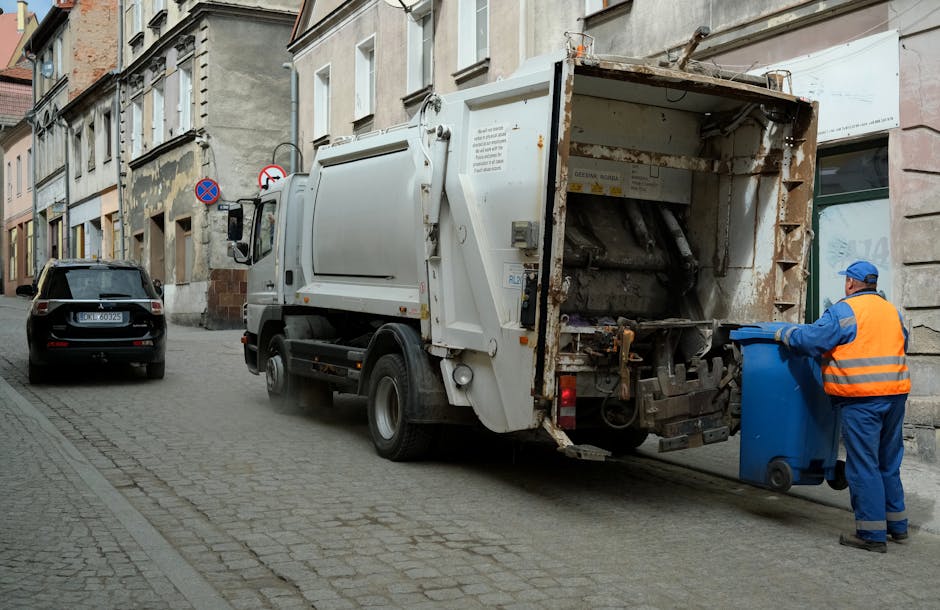
Bulky waste removals in Rainham: Wardrobes & cupboards
Posted on 07/05/2026
If you've got a wardrobe wedged in a bedroom corner, a cupboard that's seen better days, or a flat-pack unit that's finally given up, you're probably looking for a clean, practical way to get it out of the house. That's exactly where Bulky waste removals in Rainham: Wardrobes & cupboards come in. Done properly, it saves time, avoids damage to walls and hallways, and takes the headache out of lifting something awkward, heavy, and frankly a bit annoying.
People often leave this sort of job until the last minute. You know the scene: the room is half-decorated, the new furniture has already arrived, and the old wardrobe is still standing there like it owns the place. Truth be told, bulky furniture removal is one of those jobs that looks simple until you try to move it yourself. This guide breaks everything down clearly so you can decide what works best, what to prepare, and how to avoid the common mistakes.
Along the way, we'll cover how bulky furniture collection usually works in Rainham, when it makes sense to book a specialist service, what to check before collection, and how to make sure wardrobes and cupboards are handled responsibly. If you're also planning a broader clear-out, you may find related local services such as house clearance in London, rubbish removal across Kent, or even a more targeted flat clearance useful to compare.
And yes, wardrobes and cupboards can be removed safely without turning your hallway into a battlefield. It just takes a bit of planning.
Why Bulky waste removals in Rainham: Wardrobes & cupboards Matters
Wardrobes and cupboards are not like a bag of mixed rubbish. They're large, awkward, often heavy, and usually made from materials that need separating or dismantling before they can be moved efficiently. In Rainham, where homes range from compact terraces to family houses and newer developments, access can vary a lot. Narrow hallways, tight staircases, shared entrances, and parked cars on residential streets can all make furniture removal more challenging than it first appears.
That matters because a poor removal can lead to chipped paintwork, scratched floors, broken doors, or strained backs. It can also lead to delays if the item won't fit through the door in one piece. For a lot of households, the real need is not just disposal. It's peace of mind. You want the room cleared, the old furniture gone, and no lingering mess at the front of the house afterwards.
There's also the environmental side. Large furniture should be assessed properly so reusable parts can be diverted where possible, and recyclable materials separated when appropriate. A careful approach is better for everyone. Less waste in the wrong place, fewer surprises, and a much smoother experience for the person clearing the room.
Expert summary: If a wardrobe or cupboard is too big to move safely by hand, too awkward for your vehicle, or too likely to damage your home on the way out, it usually makes more sense to use a dedicated bulky item removal service rather than "just having a go".
How Bulky waste removals in Rainham: Wardrobes & cupboards Works
The process is usually straightforward, but the details matter. A good bulky furniture removal starts with identifying what needs to go, how large it is, and whether it can be removed in one piece or needs dismantling. For wardrobes and cupboards, that second question is often the big one. Built-in wardrobes, mirrored doors, deep corner units, and solid wood cupboards all tend to demand a slightly different approach.
In practice, the workflow often looks like this:
- Identify the item - note size, material, condition, and whether it is freestanding or fixed.
- Check access - stairs, lifts, tight turns, low ceilings, shared hallways, or outdoor obstacles.
- Decide on dismantling - some pieces can be carried out whole; others need safe breakdown first.
- Arrange collection - book a suitable time and make sure the team knows about access issues.
- Prepare the area - empty the furniture, remove loose shelves, and clear a route to the exit.
- Remove and load - take care with corners, doors, and surfaces; a quick job should still be a careful one.
- Dispose responsibly - reuse, recycling, and disposal should be handled in line with accepted local waste practice.
For many people, the best part is that the lifting, carrying, and loading are handled in one go. No van hire. No wrestling with a wardrobe door that keeps catching on the stair rail. No awkward pause halfway down the hall while everyone rethinks the plan.
If the job is part of a wider declutter, related services such as office clearance, shed clearance, or garden waste removal can sometimes be planned together, which is often simpler than splitting everything into separate visits.
Key Benefits and Practical Advantages
There's a reason so many people choose a professional service for bulky furniture rather than trying to sort it out themselves. The benefits are practical, not just convenient.
- Less physical strain - wardrobes and cupboards are awkward even when empty, and heavier still when made from solid wood or fitted with mirrors.
- Reduced risk of damage - careful removal protects walls, bannisters, flooring, and doorframes.
- Faster room clearance - what might take you a whole afternoon can often be done in a fraction of the time.
- Better disposal outcomes - items can be assessed for reuse or proper recycling rather than simply dumped.
- Cleaner end result - a good service leaves you with a clear space, not a half-finished mess of screws, splinters, and packaging.
- Useful for time-sensitive moves - if you're moving house, decorating, or replacing furniture, timing matters a lot.
There's another benefit that people often overlook: decision relief. Once you've booked removal, the item stops taking up mental space. That sounds minor, but it isn't. A room can feel unfinished for days when one bulky item is still blocking the next step.
To be fair, that is usually when people realise they should have booked it sooner.
Who This Is For and When It Makes Sense
This kind of bulky waste removal is useful for a wide range of people. Homeowners, tenants, landlords, letting agents, and families helping older relatives clear a property all have different reasons, but the core problem is the same: a large item needs to leave the building safely and without fuss.
It often makes sense if you're dealing with:
- an old wardrobe replacing a new fitted storage solution
- a cupboard that has warped, swollen, or become unstable
- furniture left behind after a tenancy ends
- items being cleared before painting, flooring, or renovation work
- an inherited property that needs a room-by-room clear-out
- furniture that is too large for your car or van
For landlords and managing agents, the main value is speed and consistency. A vacated property often needs to be turned around quickly, and bulky items can slow down cleaning, repairs, and inspection. For families, the need is often a bit more emotional. Clearing a room after years of use can feel oddly personal, even when the item itself is just an old cupboard. A respectful, tidy service helps more than people expect.
If you're tackling a full property rather than a single piece, it may be worth looking at broader support such as loft clearance or basement clearance. These spaces have a habit of hiding bulky furniture until the very end. Funny how that works.
Step-by-Step Guidance
If you want the removal to go smoothly, a little prep makes a big difference. Here's a practical way to handle it.
1. Measure the item and the route out
Start with the wardrobe or cupboard itself. Check height, width, depth, and whether any parts protrude, such as handles or decorative trim. Then look at the route: bedroom door, landing, staircase, hall, and front door. If it looks tight on paper, it will feel tighter in real life. That's just how it goes.
2. Empty the furniture completely
Remove clothes, books, ornaments, shelf supports, drawers, and anything tucked into the back. This not only makes the item lighter but also helps prevent rattling, dropping, or damage during lifting. It's a simple step, but people skip it all the time.
3. Decide whether dismantling is needed
Some wardrobes can be moved in one piece. Others really can't. Mirrored doors, tall units, and fitted cupboards often need dismantling into manageable sections. If the furniture is old or already weakened, taking it apart may be safer than forcing it through a narrow opening.
4. Clear the surrounding area
Move lamps, rugs, toys, shoes, and anything else that could get in the way. A clear path makes the removal safer and quicker. It also reduces the chance of a sudden trip or a scuffed skirting board, which nobody wants.
5. Confirm access details in advance
If there's no parking right outside, a shared entrance, a lift, or a timed access window, mention it early. This helps the removal team bring the right tools and plan the right approach. Small detail, big difference.
6. Check for extra items you want taken
Often, once one wardrobe is going, people realise a second cupboard, a broken chest of drawers, or a pile of old shelving should go too. If that's likely, flag it before collection day. A single visit can clear more than you think.
Expert Tips for Better Results
A few practical habits make bulky furniture removals noticeably easier. Nothing flashy. Just the sort of details that save time and reduce stress.
- Remove doors before moving the unit if they make the item unstable or too wide to turn.
- Keep fixings in a small bag if you think parts may be reused elsewhere. Label it. Future-you will be grateful.
- Use gloves and sturdy footwear if you are moving anything yourself, even just shifting it to a better position.
- Protect corners and floors with blankets or sheets if the item must pass through tight spaces.
- Check for mirrors or glass panels and handle them separately where possible.
- Don't rely on "it should fit" as a plan. Measure first. Always measure first.
One practical observation from real homes in and around Rainham: the worst removals are usually the ones people thought would be "just a quick lift". An old wardrobe can become a puzzle very fast when a handle catches the bannister or a door frame is a few centimetres narrower than expected.
If you're also clearing out general household clutter, services such as garage clearance or waste clearance can help you build a more complete clean-up plan rather than dealing with one awkward item at a time.
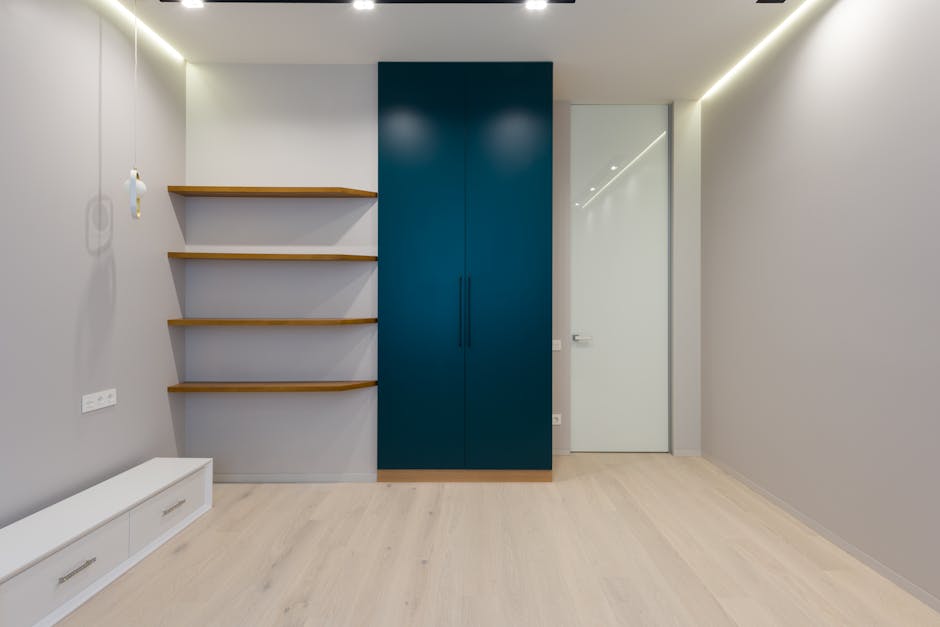
Common Mistakes to Avoid
Most problems with wardrobe and cupboard removals come from rushing or underestimating the size of the job. The mistakes below are very common, and very avoidable.
- Not measuring properly - this is the classic. The wardrobe is somehow always bigger than expected.
- Leaving items inside - drawers, books, shelves, and hanging rails make the piece heavier and less stable.
- Ignoring access issues - a narrow landing or awkward bend can make a straightforward job awkward in seconds.
- Forcing furniture through the space - this causes damage to both the item and the property.
- Not checking if the piece is fixed - built-in furniture is a different job from freestanding furniture.
- Booking too late - if you've got a move-out date, decorating schedule, or tenancy handover, timing matters.
Another mistake is assuming all furniture removal is the same. It isn't. A lightweight flat-pack cupboard is not the same as a heavy solid-wood armoire with mirrored doors. The approach, equipment, and staffing need to match the item. Otherwise you're asking for trouble, and nobody needs that at 8.15 on a damp Tuesday morning.
Tools, Resources and Recommendations
You do not need a massive toolkit to prepare for bulky waste removal, but a few simple items can help a lot. If you're organising the job yourself before collection, these are the basics worth having to hand.
| Item | Why it helps | Best used for |
|---|---|---|
| Measuring tape | Confirms whether the furniture and route are workable | Initial planning and access checks |
| Gloves | Protects hands from splinters, sharp edges, and dust | Moving, dismantling, and carrying |
| Screwdriver set | Helps remove hinges, handles, shelves, or back panels | Dismantling wardrobes and cupboards |
| Blankets or cardboard sheets | Protect floors and walls from scuffs | Narrow hallways and staircases |
| Marker pen and bags | Keeps screws and fittings together | Sorting reusable components |
Beyond tools, the most useful resource is clear information. Photos of the furniture, the access route, and any stairs or tight corners can save time and avoid surprises. If you are arranging clearance for multiple areas, a broader service such as property clearance can often be the cleaner option.
Practical recommendation: take two or three photos from different angles before collection. One close-up, one showing the whole piece, and one of the route out. It sounds almost too simple, but it helps a lot when planning the removal properly.
Law, Compliance, Standards, or Best Practice
When furniture is removed, the important thing is that waste is handled responsibly and passed to appropriate disposal or recovery routes. In the UK, that usually means using a provider that understands duty of care, knows how to separate materials sensibly, and avoids fly-tipping or careless disposal. You don't need to know every technical detail yourself, but you do want to know the service is run properly.
Best practice usually includes:
- Responsible loading and transport so items are secured and do not spill or damage anything in transit
- Careful material sorting where reusable or recyclable parts can be separated
- Clear communication if a piece may need dismantling, special handling, or extra manpower
- Respect for property during removal, especially in shared buildings or tight access areas
If a cupboard or wardrobe contains anything hazardous, sharp, or unusual, that needs to be mentioned in advance. This is less about red tape and more about safety. If something feels off, say so. Better a five-minute conversation than a damaged wall or a bad back.
For landlords, agents, and anyone clearing occupied or formerly occupied spaces, good practice also means documenting what is being removed and keeping the process tidy and traceable. That is especially useful when a property is being prepared for viewing, inspection, or handover.
Options, Methods, or Comparison Table
There are several ways to deal with old wardrobes and cupboards. The right choice depends on the item's size, your access, your schedule, and how much work you want to take on yourself.
| Method | Best for | Pros | Cons |
|---|---|---|---|
| Self-removal | Small, light flat-pack pieces | Low direct cost; flexible timing | Heavy lifting; van required; disposal logistics on you |
| Local bulky waste collection | Single items with straightforward access | Simple if accepted; minimal handling | May have booking limits or item restrictions |
| Private bulky furniture removal | Large, awkward, or multiple items | Fast; hands-off; access issues handled for you | Usually costs more than doing it yourself |
| Full property or room clearance | Multiple rooms, estates, and end-of-tenancy clear-outs | Efficient for larger jobs; one coordinated visit | May be more than you need for a single item |
As a rule of thumb, if the wardrobe is large, the route is tricky, or you're also clearing other bulky items, a professional removal is usually the better fit. If it's a small cupboard that breaks down easily and you already have transport, self-removal may be fine. Simple enough.
Case Study or Real-World Example
Imagine a typical Rainham bedroom clear-out. A family is replacing an old double wardrobe before new flooring is laid. The wardrobe is solid, heavy, and sits in a room on the first floor. There's a narrow landing, a turn at the top of the stairs, and a banister that has already caught the edge of the door once before. Not ideal.
The first step is to empty the wardrobe completely and remove the doors. That instantly makes the unit easier to handle. Next, the team checks whether the carcass can be moved intact. In this case, it cannot be turned safely through the stairwell, so it is dismantled into manageable panels. The screws are bagged, the route is cleared, and blankets are placed where the corners might brush the wall.
The whole process is calm, a bit methodical, and much less stressful than trying to muscle it out in one piece. The room is cleared, the floor is ready for the new installation, and the household can move on with the project. That's the real value, to be fair. Not just taking something away, but making the next step possible.
Sometimes the job leads to a larger clear-out. Once the wardrobe is gone, people notice the old cupboard in the spare room, the broken shelving in the garage, and the stack of unused items in the loft. That is usually when a more complete service starts to make sense, whether that means retail clearance for mixed premises, or a broader large item removal approach for oversized furniture across the property.
Practical Checklist
Use this before the collection day. It keeps things tidy and avoids the usual last-minute scramble.
- Measure the wardrobe or cupboard
- Check the route through the property
- Empty all shelves, drawers, and compartments
- Remove loose doors, rails, and fittings where appropriate
- Take photos of the item and access points
- Clear rugs, ornaments, and obstacles from the path
- Confirm whether parking or lift access is needed
- Let the provider know about mirrors, glass, or damaged sections
- Decide if any other bulky items should go too
- Keep screws and small parts together if dismantling
Quick reality check: if you're hesitating because the item feels too awkward to move, that is usually your answer. Trust that instinct. It tends to be right.
Conclusion
Bulky furniture removal is one of those jobs that rewards preparation. When wardrobes and cupboards are large, heavy, or stuck in awkward spaces, the safest and most efficient approach is usually the one that respects the item, the property, and your time. In Rainham, where homes vary and access can be tight, a thoughtful plan makes a noticeable difference.
Whether you're clearing one old wardrobe, several cupboards, or a whole room before renovation or moving day, the key is to measure, prepare, and choose the method that fits the job rather than hoping it will somehow sort itself out. It won't, really. But a good removal service can make it feel almost effortless.
If you're ready to clear the space properly and want a simple next step, ask for a quote and compare the options with a clear idea of what needs removing and how accessible it is.
Get a free quote today and see how much you can save.