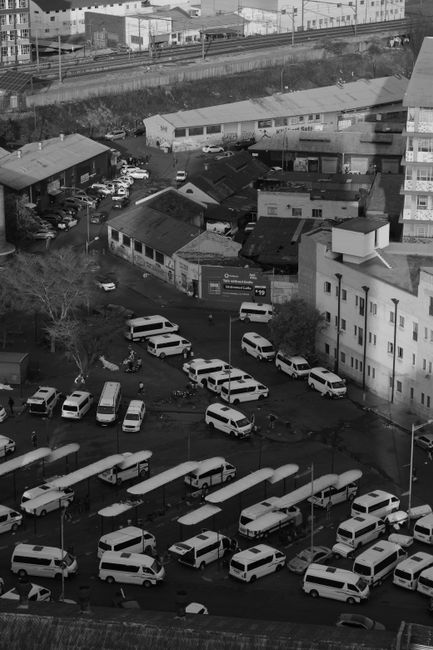
Rainham Station removals best van parking spots
If you are planning a move near Rainham Station, the biggest headache is often not the sofa, the boxes, or even the stairs. It is where to stop the van. The right Rainham Station removals best van parking spots can save time, reduce carrying distance, and make the whole move feel far less chaotic. The wrong one? Well, you end up doing that awkward shuffle with a mattress while a queue builds behind you and everyone pretends not to be annoyed.
This guide breaks the topic down in plain English. You will find practical parking advice, loading strategy, compliance points, and the small local details that matter more than people expect. Whether you are moving from a flat, a house, or a small office near the station, the goal is the same: park legally if possible, load safely, and keep the day moving.
Table of Contents
- Why Rainham Station removals best van parking spots Matters
- How Rainham Station removals best van parking spots Works
- Key Benefits and Practical Advantages
- Who This Is For and When It Makes Sense
- Step-by-Step Guidance
- Expert Tips for Better Results
- Common Mistakes to Avoid
- Tools, Resources and Recommendations
- Law, Compliance, Standards, or Best Practice
- Options, Methods, or Comparison Table
- Case Study or Real-World Example
- Practical Checklist
- Conclusion
- Frequently Asked Questions
Why Rainham Station removals best van parking spots Matters
Parking is not a side issue during a move around Rainham Station. It shapes the whole job. If the van can stop close to the entrance, pavement edge, or property frontage, your removal team spends less time walking back and forth and more time actually moving items. That usually means less fatigue, less risk of damage, and a calmer pace all round.
Near a station, conditions can change quickly. Commuter traffic, short-stay bays, local restrictions, school-run congestion, and narrow access roads can all turn a simple unloading stop into a problem. On a quiet side street at 8:30 in the morning, you might have several options. By midday, not so much. That is why planning van parking before moving day is worth the effort.
It also matters for neighbour relations. Let's face it, nobody wants to be the house with a van blocking driveways, bins, or the only clear stretch of road. Good parking choices help the move feel considerate, tidy, and professional. And in practical terms, that often saves money too, because wasted time is rarely free in removals work.
Expert summary: the best van parking spot is not always the closest one; it is the one that gives you legal access, safe lifting space, and the shortest realistic carry route with the least disruption.
If your move is part of a larger planning process, it can help to look at the wider service approach too, such as man with van support or a more complete removal services package, especially when timing and access are tight.
How Rainham Station removals best van parking spots Works
In simple terms, the process is about matching your van size, your property layout, and the local road conditions. A spot that works for a small van may be useless for a larger removal vehicle. Likewise, a bay that looks convenient may not allow enough room to open doors fully, use a sack truck, or load heavier furniture safely.
Most good removals planning near a station follows the same logic:
- Check the property access first, including driveway width, kerb height, gate clearance, and stair access.
- Identify the nearest legal stopping options, not just the nearest physical space.
- Assess whether loading will block pedestrian flow or create safety issues.
- Decide whether the van needs to stop briefly, wait, or stage nearby and move items in smaller runs.
- Build the loading sequence around the parking choice, not the other way round.
The station environment adds another layer. You may need to think about morning commuter traffic, the school run, busier pavements, and the simple fact that people are often in a hurry around transport hubs. That means vans need to be positioned with a bit of common sense. Not just squeezed in wherever there is a gap.
In our experience, the moves that go smoothly are the ones where the parking plan is treated like part of the job, not a last-minute shrug. A good mover looks at the road, the van, the route from van to front door, and the items being carried. It sounds obvious, but you would be surprised how often this is rushed.
For people moving locally, the moving near Rainham Station local van checklist is a useful starting point, especially if you want to reduce surprises on the day.
Key Benefits and Practical Advantages
The right parking spot near Rainham Station gives you several advantages that are easy to overlook until the move is underway.
- Shorter carry distances: Less time walking goods from van to property means fewer chances for knocks, dropped items, or tired backs.
- Faster loading and unloading: A sensible position helps movers work in a cleaner rhythm, which is particularly useful if you have stairs or awkward furniture.
- Better safety: A stable, legal stop reduces the chance of loading in a rush or lifting in an unsafe spot.
- Less public disruption: Good placement keeps pavements and traffic flowing, which matters near a busy station area.
- Lower stress: Moving day is noisy enough already. A calm parking plan removes one big variable from the mix.
There is also a hidden benefit: better parking often protects the condition of your items. If you are carrying a wardrobe, mirror, or mattress a shorter distance, there is simply less time for swaying, scuffing, or bumping a doorway. Small thing, big difference.
For business users, this matters just as much. Small office moves near transport links need efficient access to avoid overrunning the schedule. If that sounds familiar, you may also find office removals and commercial moves useful when planning a more structured relocation.
Who This Is For and When It Makes Sense
This topic matters to a lot of people, not just homeowners with a full lorry of furniture. If any of the situations below sound familiar, parking planning is worth your attention.
- Flat movers: Especially where staircases, shared entrances, or limited frontage make every metre count.
- Terraced house moves: Street layout can be tight, and neighbours may have driveways or restricted kerb space.
- Students or renters: Smaller loads still benefit from a van positioned well, particularly if there are time limits.
- Office teams: Desks, boxes, and IT equipment need organised handling, and access near the station can be busy.
- Last-minute moves: When time is short, a sensible parking plan becomes even more valuable.
It also makes sense if you are dealing with bulky or awkward items. A sofa, freezer, wardrobe, or bed base does not care how busy the street is. It still has to come out carefully. If that is your situation, you may also want to read about bulky waste removals in Rainham and moving a bed and mattress safely for some extra practical context.
Truth be told, if you are wondering whether the parking plan is worth sorting out in advance, the answer is usually yes. Even a modest move can become needlessly messy if the van is left circling for ten minutes while everyone waits at the kerb.
Step-by-Step Guidance
Here is a practical way to plan your van parking for a move near Rainham Station. Nothing fancy. Just a reliable sequence that works in the real world.
- Start with the property frontage. Look at where the front door, gate, or loading point sits in relation to the road. Measure the practical carry route in your head. If there are stairs or tight corners, add time.
- Check for parking restrictions. Yellow lines, permit bays, short-stay bays, loading restrictions, private forecourts, and signs all matter. Do not assume a space is okay just because it looks empty.
- Match the vehicle to the space. A small van can fit where a larger removal van cannot. Make sure there is room for doors to open and for items to be moved without forcing lifts in the road.
- Plan for safe unloading. Think about traffic, pedestrians, nearby crossings, blind bends, and whether the van can be seen clearly by other road users.
- Choose an unloading sequence. Put the heaviest or most awkward items near the door in advance so the first run is efficient.
- Keep a backup option. If your first choice is taken, know your second-best spot before the van arrives. This saves that awkward pause where everyone stares at the road and nobody speaks.
A small but useful detail: if you can, arrive a little earlier than the heavy lifting start time. Even ten or fifteen minutes can make a difference near a station. Morning light, fewer pedestrians, less pressure. It all helps.
If you are dealing with tight access or multiple floors, the wider moving plan matters too. In that case, staircase access solutions for Rainham flats can help you think beyond the kerbside spot alone.
Expert Tips for Better Results
After enough local moves, a few patterns become obvious. These are the kinds of details that make a move feel smoother, even if they are not dramatic on paper.
- Keep the loading route short and dry: Rainy mornings happen, and a wet path near the station can turn a simple carry into a slippery little drama. If possible, place mats or covers along the route.
- Avoid blocking doors or bins: It sounds minor, but these are the things that cause complaints fastest.
- Use one person as a parking spotter: Even if the van is small, having someone watch the curb and traffic flow can stop a bad parking decision before it becomes one.
- Think in terms of loading order: Heavy items first, fragile items later, and everything packed so it can be retrieved without a hunt.
- Don't overstay your welcome in one space: If the van is in a loading area, keep the operation brisk and organised.
One local-minded tip: around station areas, the best spot is often not the obvious one right outside the entrance. Sometimes a slightly quieter side street with a short, safe walk wins because it gives more space to manoeuvre. That is the sort of judgement call a good mover makes quickly.
When the move is more complex, packing quality matters too. A neat van load makes parking less stressful because it reduces the number of trips. If that sounds useful, see packing for a smooth move and packing and unpacking services.
Common Mistakes to Avoid
A lot of moving-day problems near stations come from small assumptions. Nothing dramatic. Just things people think will be fine until they are not.
- Assuming the nearest spot is the best spot: Closeness is helpful, but only if it is legal and safe.
- Ignoring road width: A van may fit, but it still needs room for passing traffic, cyclists, and pedestrians.
- Forgetting about time pressure: A bay that is free at 7:30 may be impossible to use later in the morning.
- Blocking the whole carry route: Sometimes the van is parked okay, but the path to the front door is cluttered with bins, bikes, or garden items.
- Not checking before the mover arrives: A quick walk around the street before the van gets there can prevent last-minute chaos.
- Underestimating the load: If you have more boxes than expected, the original parking plan may need adjusting.
One slightly annoying reality: a "temporary" stop can turn into a traffic problem very quickly if you do not keep moving. So yes, be organised, but also be ready to adapt. That is the game.
Tools, Resources and Recommendations
You do not need a fancy toolkit to make parking easier, but a few simple things help a lot.
- Measuring tape: Useful for checking doorways, driveways, and furniture dimensions before the van arrives.
- Phone map notes: Save possible parking spots, access points, and any one-way road details you have spotted.
- High-visibility vest or bright clothing: Helpful if someone is guiding the van in a busier area.
- Trolley or sack truck: A small piece of kit, but it can save a lot of back-and-forth.
- Furniture blankets and straps: Good packing discipline makes the parking phase faster because items are ready to move without extra handling.
It is also worth looking at the service provider's support pages before moving day. Good companies are usually transparent about process, insurance, and expectations. For example, you can review insurance and safety information, health and safety policy, and pricing and quotes so there are fewer surprises later.
If you are comparing service styles, it may also help to look at removal company options or a more flexible man and van removals approach depending on the size and complexity of your move.
Law, Compliance, Standards, or Best Practice
Parking near a station is not just a convenience issue. It sits inside the normal rules of the road, local parking restrictions, and sensible moving practice. You do not need to memorise every rule, but you do need to respect signs, bay markings, and any time-based limitations. If an area is restricted, treat it as restricted.
For removals work, the most sensible standard is simple: do not obstruct traffic, pedestrians, driveways, access points, or emergency routes. Keep lifting areas clear and avoid leaving heavy items in public space longer than necessary. That is both common sense and good practice.
Where loading or waiting is involved, it is wise to be cautious with assumptions. Local rules can vary from street to street, and a bay that seems fine can still carry conditions that matter. If you are unsure, build extra time into the move or choose a safer alternative. Better a slightly longer carry than a fine or a dispute, honestly.
Good operators also think about insurance, safe manual handling, and the condition of the load. If you are moving fragile or heavy items, look for clear procedures around lifting, wrapping, and transport. A decent removals setup should feel orderly, not improvised.
Options, Methods, or Comparison Table
There is no single perfect parking method for every move near Rainham Station. The right choice depends on the property, the load, and the street layout. Here is a practical comparison.
| Parking option | Best for | Advantages | Watch out for |
|---|---|---|---|
| Direct frontage stop | Short moves, easy access, light-to-medium loads | Shortest carry distance, quick turnaround | May be restricted, narrow, or inconvenient for traffic |
| Nearby side street | Busy station roads, longer stays, larger vans | Often calmer, sometimes safer for loading | Longer carry, may need extra planning |
| Short-stay or loading bay | Fast, controlled loading and unloading | Designed for temporary stopping | Time limits, competition for space, signage rules |
| Staged parking with a hand-carry route | Restricted streets or awkward access | Flexible, can avoid blocked access | More physical effort, needs careful coordination |
For many station-area moves, the best choice is a compromise rather than a perfect answer. That is normal. The trick is picking the option that reduces risk and keeps the team moving without drama.
Case Study or Real-World Example
Here is a realistic local scenario. A renter moving from a first-floor flat a short walk from Rainham Station has a bed frame, a desk, several boxes, and a couple of soft furnishings. The road outside is active in the morning, with commuters, delivery vans, and pedestrians heading in different directions. On paper, the closest stop is directly outside the building. In practice, that space is unreliable and too tight for a longer vehicle.
Instead of gambling on the nearest gap, the movers choose a calmer side street with a legal stopping point and a clear carry route. It adds a small walk, yes. But the loading is less rushed, the van sits more safely, and the items are handled with less squeezing past parked cars. The job takes a little longer, but the pace is better and the client is less stressed. To be fair, that is often the real measure of success.
Another common example involves a small office relocating near station traffic. The team has boxes, screens, chairs, and archive storage. The move works best when the van can stop once, the loading sequence is pre-planned, and the parking spot is chosen to avoid repeated repositioning. If you have ever watched a crew carry a monitor through a door while someone else runs back for tape, you will know how quickly the morning can drift if parking is not thought through.
Those kinds of moves are exactly where proper planning beats improvisation.
Practical Checklist
Use this checklist before the van arrives. It is simple, but it catches a lot of avoidable issues.
- Confirm the moving date and arrival window.
- Walk the route from property to the road.
- Check signs, markings, and any local restrictions.
- Identify at least one backup parking spot.
- Measure large items and likely obstacles.
- Clear the front path, hallway, and doorway.
- Keep keys, phone, and access details easy to reach.
- Pack heavy items so they are first out or first in.
- Protect floors, walls, and door edges where needed.
- Assign one person to guide parking if the road is busy.
- Have water, tape, and a simple toolkit nearby.
- Make sure everyone knows which item goes where.
If you want to tidy the move before loading begins, it also helps to look at decluttering before you move and pre-move house cleaning. Less clutter usually means quicker parking, fewer trips, and a calmer start.
Get a free quote today and see how much you can save.
Conclusion
The best van parking spots for Rainham Station removals are not chosen by luck. They are chosen by reading the street properly, understanding the load, and matching the van to the access available. Sometimes the closest space is right. Sometimes a slightly less obvious spot makes the whole move smoother. That is the honest truth of it.
If you plan ahead, keep the route safe, and stay flexible about where the van stops, your move becomes more manageable from the first box to the last chair. And when the road is busy and the station noise is humming in the background, that bit of calm planning makes a bigger difference than people expect.
Get the parking right, and the rest tends to follow.
Frequently Asked Questions
What are the best van parking spots near Rainham Station for removals?
The best spot is usually the one that gives legal access, a safe loading route, and enough room to work without blocking traffic. A nearby side street or a short-stay loading area may be better than the closest kerb space if the direct frontage is too tight.
Should I park directly outside the property if possible?
Only if it is safe, legal, and practical. Direct frontage is ideal for carry distance, but it is not always realistic near a station. If the road is busy or the space is restricted, a nearby alternative may be the smarter choice.
How early should I arrange parking for a move near Rainham Station?
As early as you reasonably can. The earlier you assess the road layout, the easier it is to plan around restrictions and traffic. On moving day, even a small head start can reduce stress.
Do I need to check parking signs before unloading?
Yes. Always check signs, bay markings, and any loading conditions before the van stops. What looks like a free space may still have time limits or restrictions.
What if the best spot is already taken on moving day?
Have a backup plan. Good removals work usually includes at least one alternative parking option so the van can stop quickly without delaying the rest of the move.
Are loading bays better than regular parking spaces?
Often, yes, because they are designed for short stops and unloading. That said, they may have time restrictions or be busy, so they are not automatically the best option every time.
How do I know if my van is too large for the street?
If the road is narrow, has tight bends, or already has parked cars on both sides, a larger van may be awkward. A quick review of width, turning room, and door clearance can prevent problems before arrival.
Can movers help choose the best parking spot?
Yes, experienced movers usually can. In many cases they will assess access, suggest the best stop point, and adjust the loading plan to suit the street layout.
What items are most affected by bad parking choices?
Large or fragile items suffer the most because they need careful handling. Sofas, mattresses, mirrors, wardrobes, and appliances are all easier to move when the van is close and well positioned.
Is parking near Rainham Station usually difficult for removals?
It can be, depending on the time of day and the street. Station areas often have commuter traffic and tighter access than residential roads, so planning ahead makes a noticeable difference.
What should I do if I am moving a flat with stairs and no driveway?
Plan for a shorter, safer carry route and choose a space that allows smooth unloading. If the staircase is awkward, factor that into the parking choice rather than trying to force the closest bay to work.
How can I make the move quicker once the van is parked?
Pack items logically, keep the path clear, and have boxes and furniture ready in the right order. Good parking helps, but a tidy loading process is what really keeps the day moving.